



If you've spent any time on the wellness internet lately, you'll have noticed protein is having a moment. Cottage cheese is a personality. Greek yoghurt got a glow-up. Half your gym is carrying around a shaker. And somewhere in the middle of all that, a pretty common question keeps popping up: how much protein do I, as a woman, actually need?
The honest answer is: probably more than the back of the cereal box suggests, possibly less than the loudest guy at the gym claims, and almost certainly not the same advice that's been written for male bodies for decades.
Let's untangle it.
The baseline number (and why it's a floor, not a goal)
The official Recommended Dietary Allowance (RDA) for protein is 0.8 grams per kilogram of body weight per day for healthy adults. That number is the same for men and women. So if you weigh 65 kg (about 143 lb), the RDA puts you at roughly 52 g of protein a day.
Here's the catch most people miss: the RDA was designed to prevent deficiency in nearly all healthy adults. It's a "you won't get sick" number, not a "you'll feel and function your best" number. Most sports nutrition researchers, including the International Society of Sports Nutrition, recommend somewhere closer to 1.4–2.0 g/kg per day for people who are active. For that same 65 kg woman, that's 91–130 g a day. Quite a jump.
So is it different for men and women?
Per kilogram of body weight, the recommendations are pretty similar. But in practice, men's total numbers tend to be higher because men, on average, carry more lean muscle mass. A 90 kg man training hard will need significantly more total grams than a 65 kg woman training the same way — even if the per-kg target is identical.
The bigger difference, though, isn't physiology — it's history. Most foundational sports nutrition research was done on men. For a long time, women were treated as "small men," and recommendations were just scaled down. Newer research (a lot of it driven by physiologists like Dr Stacy Sims) has started to show that women may benefit from spreading protein more evenly across the day, eating sooner after training, and paying closer attention to total intake — not less, but in a more thoughtful pattern.
Where women's needs actually shift
A few life stages where the numbers really matter:
If you're training. Strength work, running, pilates that's actually hard — your muscles are breaking down and rebuilding, and protein is the raw material. The 1.4–2.0 g/kg range from the ISSN applies to most active women, with the higher end useful if you're trying to gain muscle or lose fat without losing the muscle you've got.
If you're pregnant. The RDA bumps up by about 25 g per day in the second and third trimesters, per the Institute of Medicine. That's roughly an extra chicken breast, or a couple of eggs and a yoghurt.
If you're in perimenopause or beyond. This is where the conversation gets really interesting. As estrogen drops, women lose muscle and bone faster, and the body becomes a bit more "anabolic resistant" — meaning it takes more protein to get the same muscle-building signal. The PROT-AGE expert group recommends 1.0–1.2 g/kg/day for healthy older adults, and higher (1.2–1.5 g/kg) for those who are sick or recovering. For a lot of women, this is the single most underrated nutrition lever in their 40s, 50s and 60s.
A few practical things that actually move the needle
Spread it out. Aim for 25–40 g of protein at each main meal rather than one huge hit at dinner. Muscle protein synthesis works best with regular doses, not one big payment.
Don't skip breakfast protein. A "healthy" breakfast of toast, fruit and coffee usually clocks in at 5–10 g of protein. That's a rough start to the day on this metric. Eggs, Greek yoghurt, a smoothie with protein powder, leftover chicken — whatever works.
Pair protein with iron-rich foods if you menstruate. Women of reproductive age have higher iron needs than men, and lean red meat is one of the most absorbable sources of both protein and heme iron in one bite.
Snack with intention. Most "healthy" snacks are mostly carbs. A protein-forward snack — a beef bar, a boiled egg, cheese and an apple — keeps you fuller and your blood sugar steadier than a muesli bar.
Easy ways to actually hit it (with a little help)
Honestly, hitting a higher protein target is more about logistics than willpower. Some of the simplest swaps:
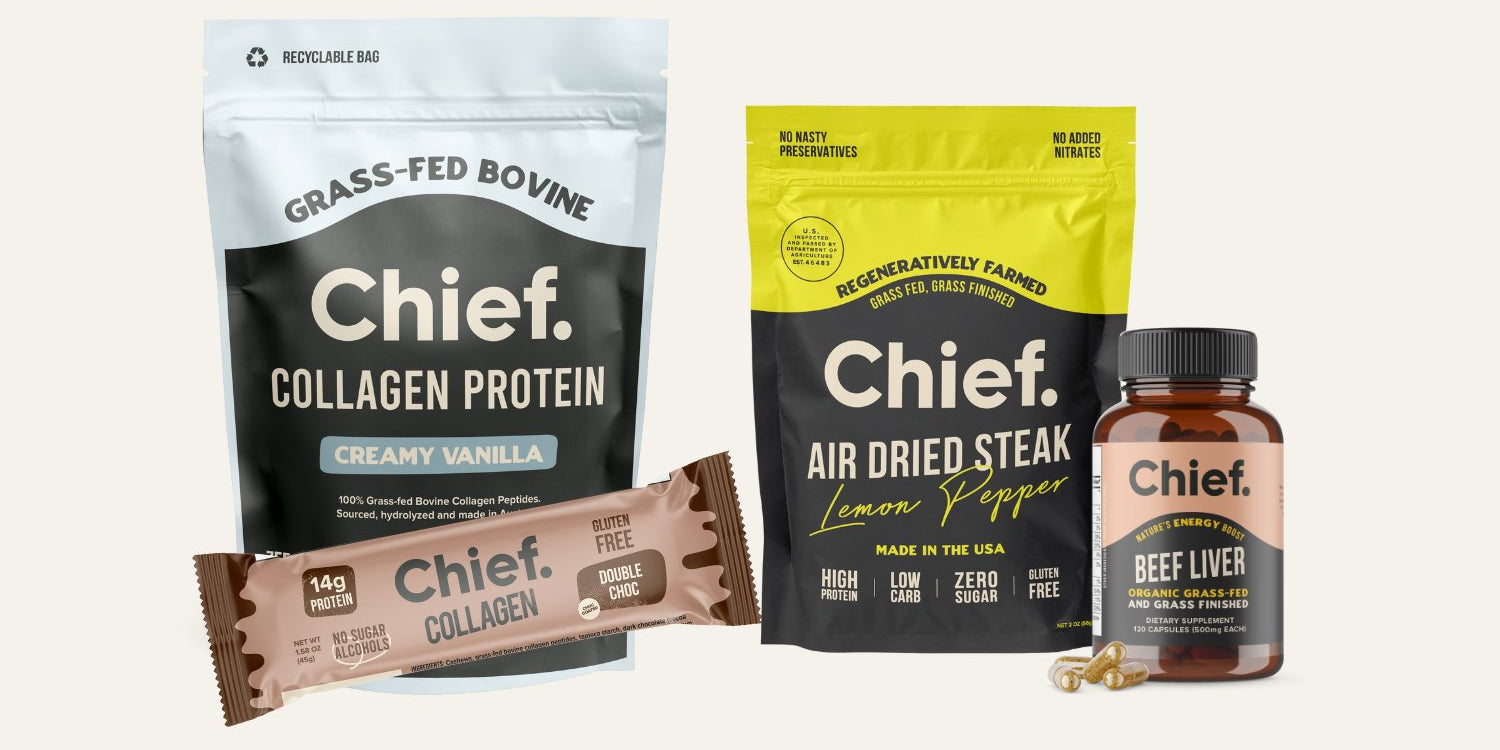
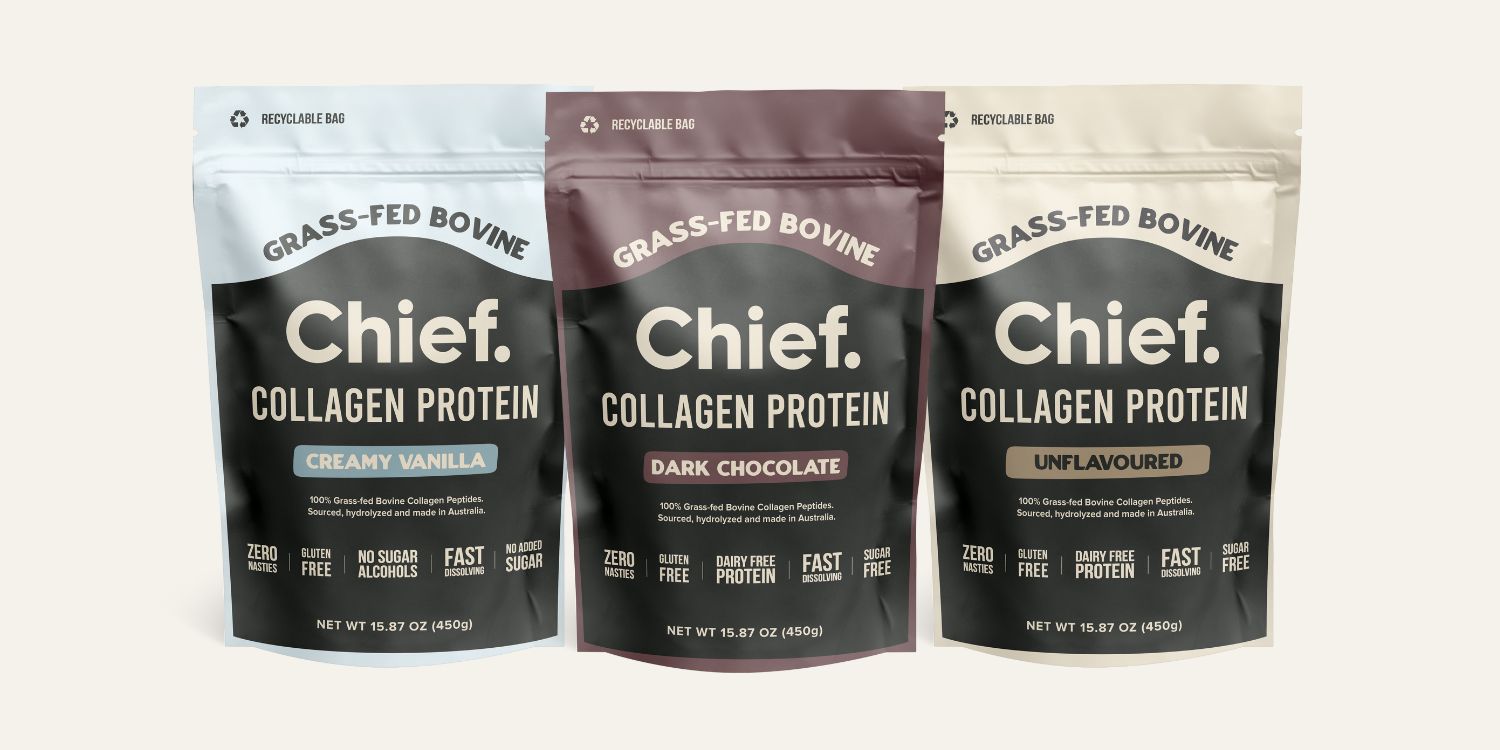
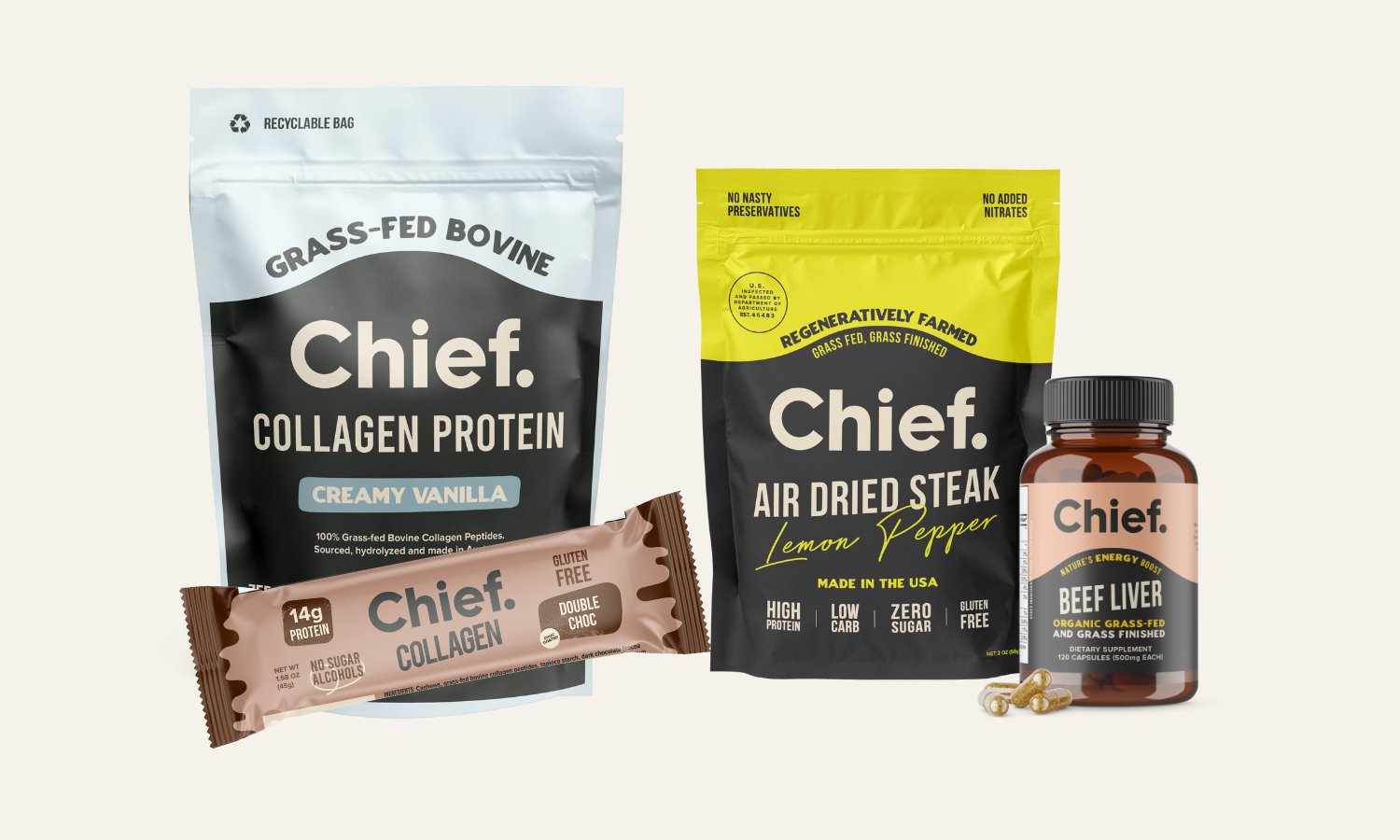
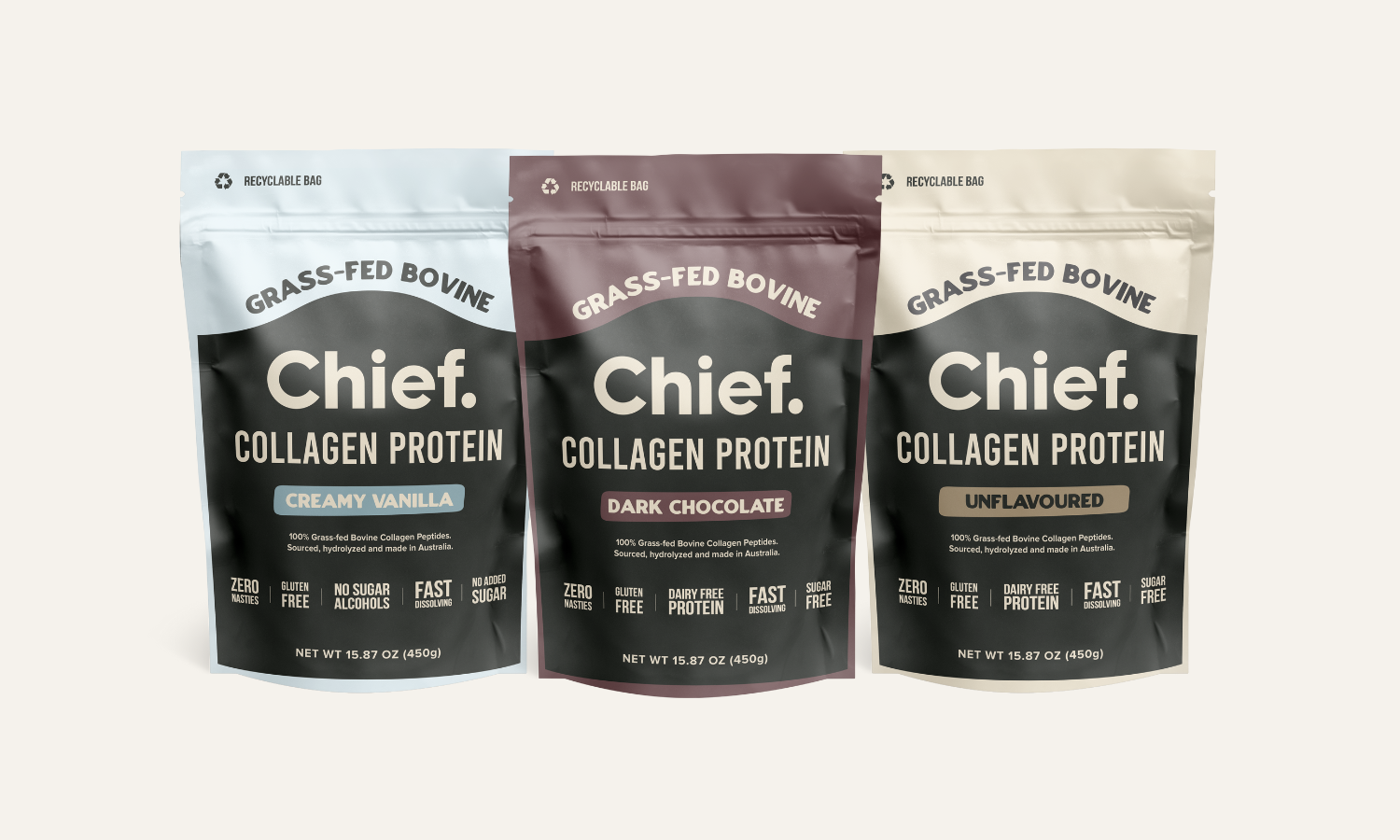
- Stir a scoop of Dark Chocolate Collagen Protein Powder into your morning coffee, oats or smoothie. It's Australian, grass-fed, and an easy way to bump your morning intake without changing your whole routine.
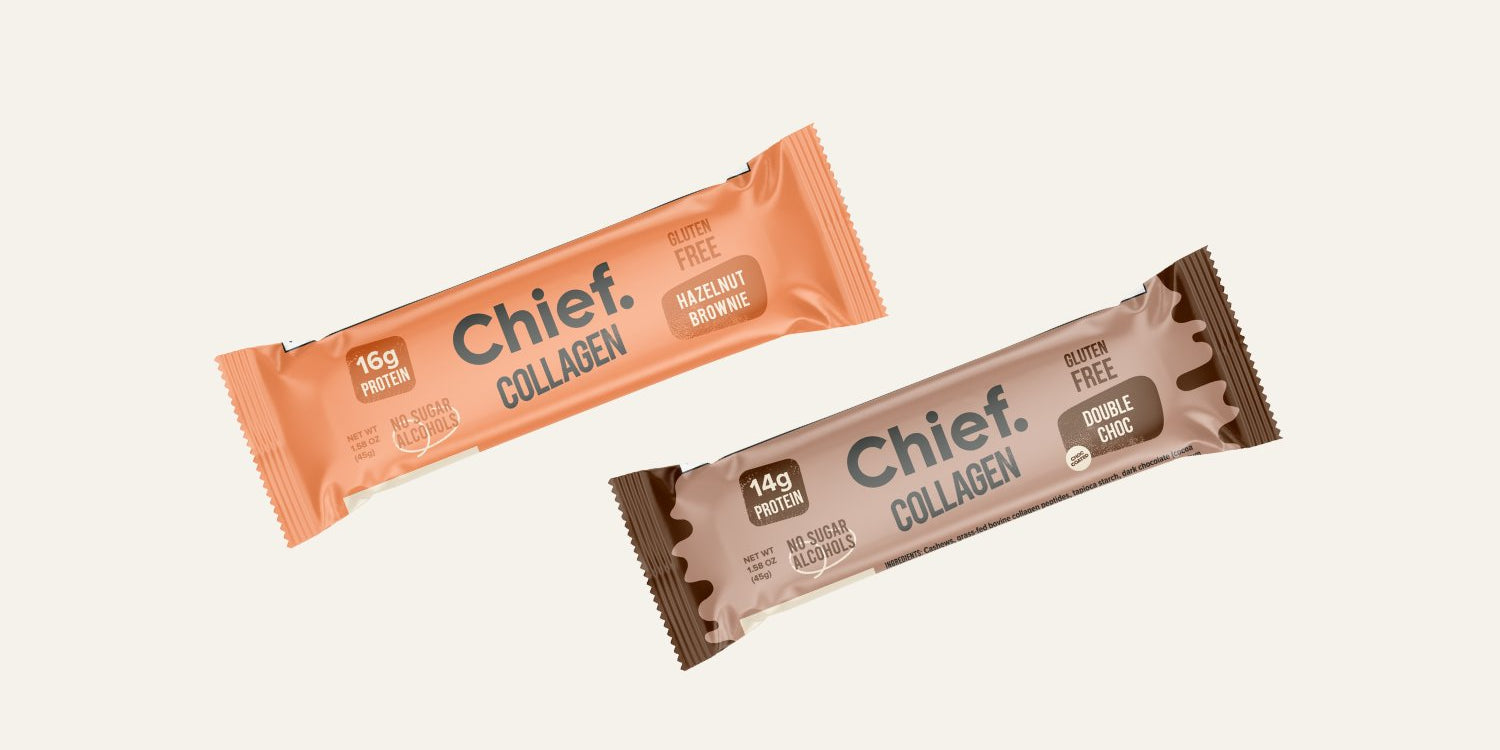
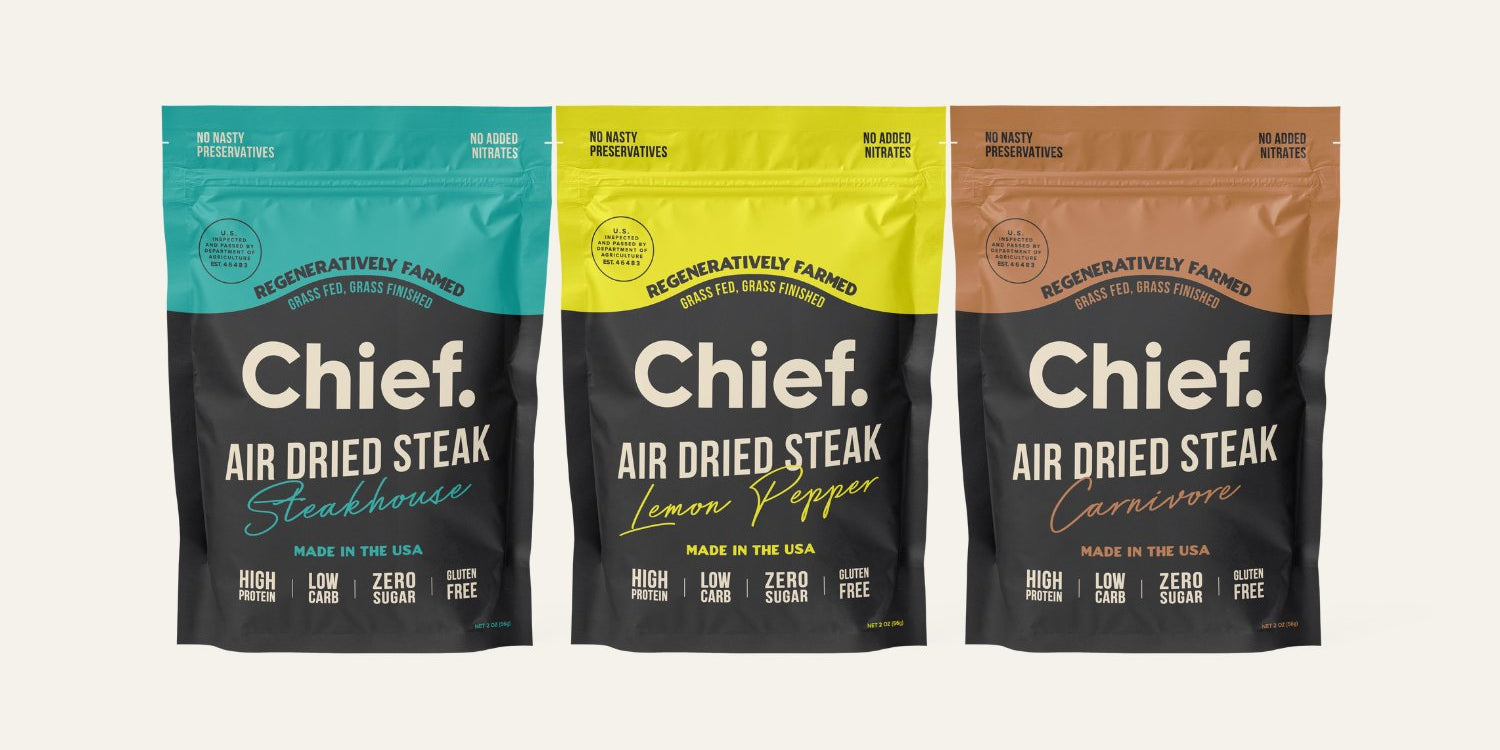
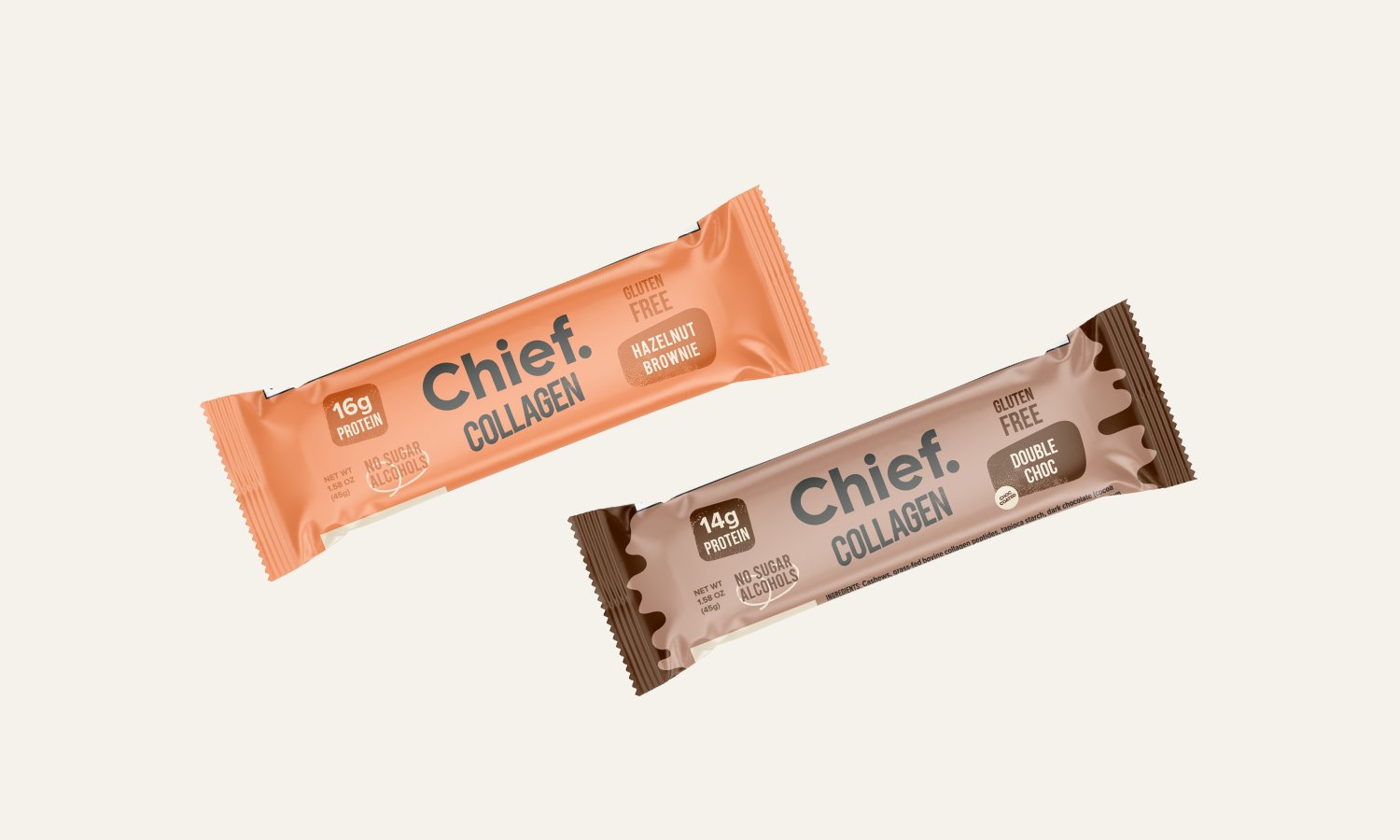
- Keep a few Beef Bars in your bag, your glovebox, and your gym bag for the moments when "healthy snack" usually means "biscuit from the office tin." They're a savoury, high-protein option that doesn't need refrigeration.
Neither of these is magic — they're just useful shortcuts on the days real life gets in the way.
The takeaway
Protein needs aren't wildly different between men and women in terms of grams per kilo, but the context really is different — different muscle baselines, different hormonal seasons, decades of research that didn't have us in mind. Most women aren't eating too much protein; they're eating an amount that was set as a floor and treated as a ceiling.
Start with what you weigh. Multiply by 1.2–1.6 if you're moderately active, higher if you're training hard or in midlife. Spread it across the day. See how you feel in two weeks.
Your future muscles, bones and energy levels will absolutely write you a thank-you note.
Sources & a note on confidence
- RDA of 0.8 g/kg/day: Institute of Medicine (2005). Dietary Reference Intakes for Energy, Carbohydrate, Fiber, Fat, Fatty Acids, Cholesterol, Protein, and Amino Acids. National Academies Press.
- 1.4–2.0 g/kg/day for active individuals: Jäger R. et al. (2017). International Society of Sports Nutrition Position Stand: Protein and Exercise. Journal of the International Society of Sports Nutrition, 14:20.
- Pregnancy +25 g/day in 2nd/3rd trimester: Institute of Medicine (2005), as above.
- 1.0–1.2 g/kg/day for older adults: Bauer J. et al. (2013). Evidence-based recommendations for optimal dietary protein intake in older people: a position paper from the PROT-AGE Study Group. Journal of the American Medical Directors Association, 14(8):542–559.
- Sex differences in protein metabolism / training nutrition for women: emerging area; popularised in part through the work of Dr Stacy Sims. Findings on per-meal distribution and timing for women specifically are still being refined and shouldn't be treated as settled science.
Confidence note: the RDA, ISSN, pregnancy and PROT-AGE figures above are well-established in mainstream nutrition science. The points about women being under-represented in older sports nutrition research, and about evolving recommendations across the menstrual cycle and menopause, reflect a newer and still-developing body of work. Individual needs vary; this article is general information, not medical or dietary advice for any one person.

