








TL;DR: Muscle as a Longevity Organ
✔️ Muscle is an endocrine organ — it secretes myokines that talk to every major organ
✔️ It's your primary glucose disposal site — critical for metabolic health and diabetes prevention
✔️ You start losing it in your 30s — sarcopenia is silent but significantly raises mortality risk
✔️ It's highly modifiable — resistance training + adequate protein can reverse the trend
✔️ It's the #1 longevity investment — more muscle = longer, healthier, more independent life
You've heard that exercise is medicine. But the real story goes deeper — your skeletal muscle is an active, hormone-secreting, metabolically vital organ that could be the single greatest predictor of how long and how well you live.
Muscle is far more than movement
Most of us think of muscle as a mechanical tool. Something to help us lift, run, and move through the world. But over the past two decades, exercise science has revealed something far more remarkable: skeletal muscle is a secretory endocrine organ, actively releasing hundreds of signalling proteins called myokines directly into the bloodstream.[1, 2]
These myokines don't just stay local. They travel to the brain, the liver, the gut, fat tissue, and even bone — a symphony of anti-inflammatory, metabolic, and regenerative effects throughout the body.[2] Muscle, it turns out, is in constant conversation with virtually every other organ you have.
The myokine revolution
When you contract your muscles through resistance training, walking, or any physical effort, they release a cocktail of beneficial compounds. The term "myokines" was coined to describe cytokines and other peptides produced, expressed, and released by muscle fibres that exert autocrine, paracrine, or endocrine effects.[3] Key myokines include:
- IL-6 (Interleukin-6) — the first identified and most studied myokine, IL-6 increases up to 100-fold in circulation during physical exercise and has been shown to stimulate lipolysis, fat oxidation, and improve insulin-stimulated glucose disposal.[3, 4]
- Irisin — a myokine that signals adipose tissue to adopt thermogenic properties, with emerging evidence linking it to improved brain health and metabolic benefits including improved insulin sensitivity.[5]
- BDNF (Brain-Derived Neurotrophic Factor) — expressed in human skeletal muscle and implicated in enhancing lipid oxidation via AMPK activation, as well as broader cognitive and neuroprotective benefits.[2]
- Myostatin inhibitors — muscle produces natural regulators of its own atrophy, with exercise shown to modulate these pathways and help preserve mass with age.[1]
The implication is profound: every time you engage your muscles meaningfully, you initiate a cascade of systemic signalling that benefits the brain, liver, adipose tissue, bone, pancreas, and more.[2]
"Skeletal muscle is an endocrine organ that produces and releases myokines in response to contraction… contributing to our understanding of why regular exercise protects against a wide range of chronic diseases." — Pedersen, Journal of Applied Physiology (2011)[4]
Muscle as your metabolic savings account
Skeletal muscle is the primary site for insulin-stimulated glucose uptake, accounting for up to 80% of whole-body glucose consumption under insulin-stimulated conditions.[6] More muscle mass means a greater capacity to clear blood sugar efficiently, reducing the metabolic burden on the pancreas and liver.
Think of muscle mass as a metabolic savings account. The more you have, the more metabolic buffer you carry. When illness strikes, when you're injured, or when you face the catabolic stress of ageing, a larger muscle reserve gives your body more to draw from. Research consistently shows that muscle insulin resistance represents an early initiating event in the progression toward type 2 diabetes, making the maintenance of healthy muscle mass a primary preventive strategy.[7]
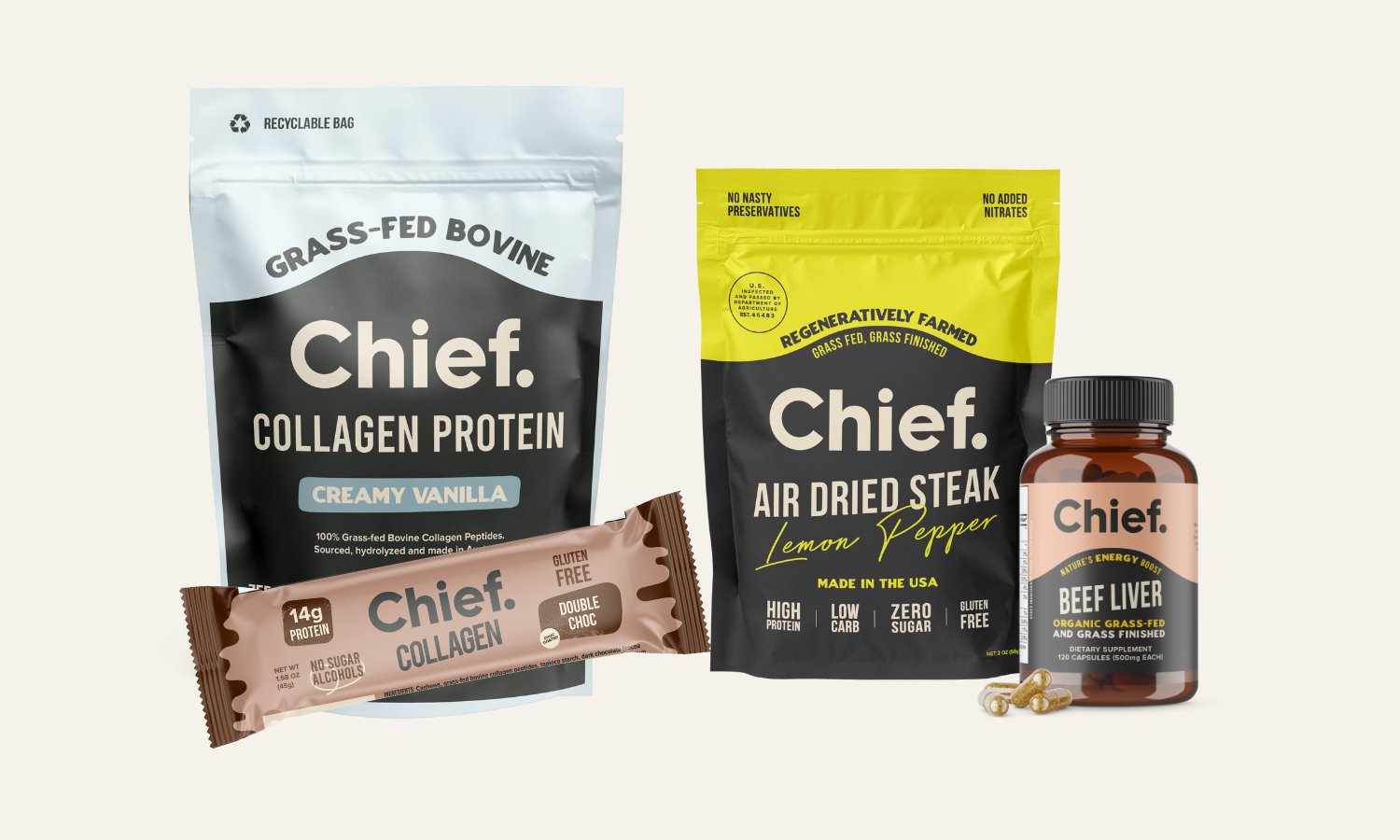
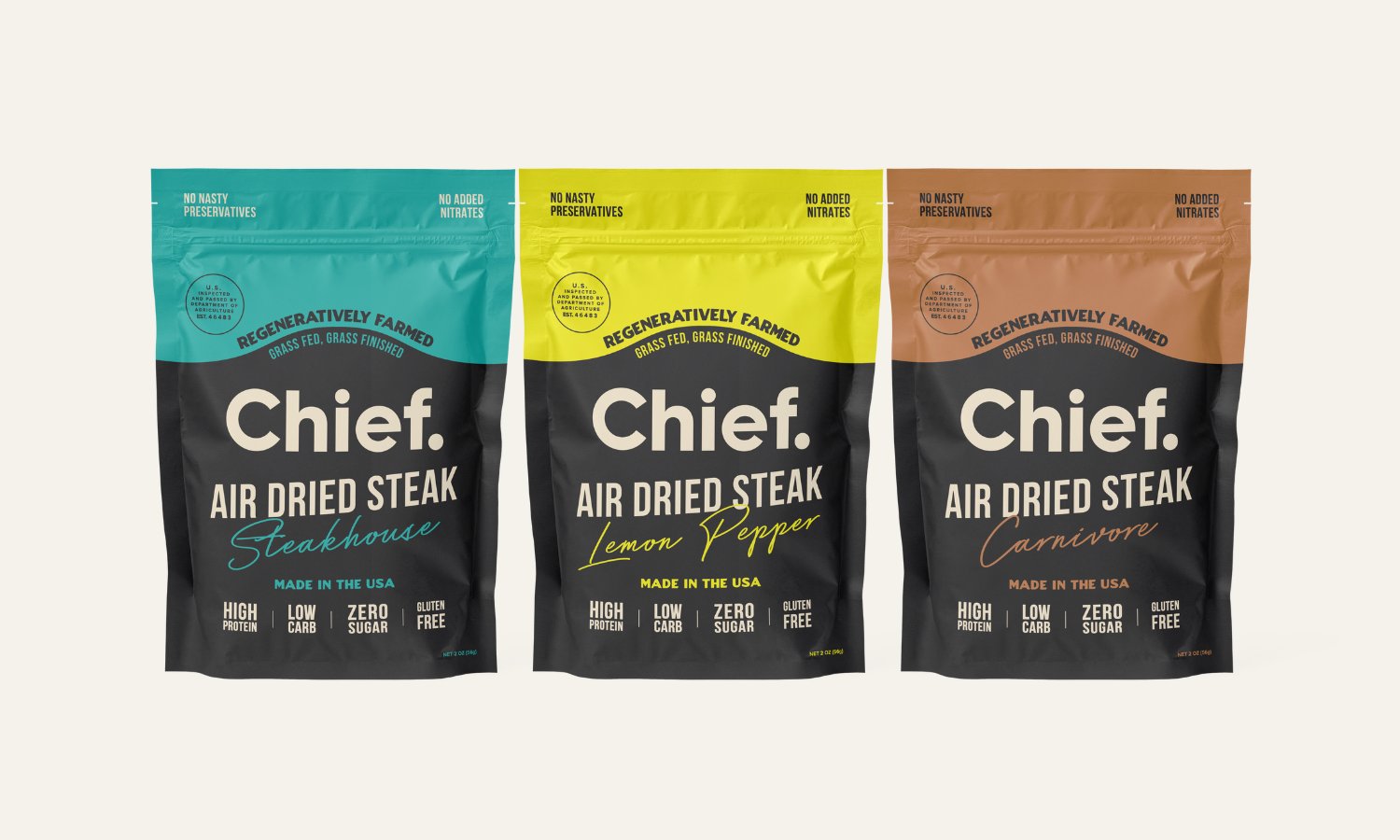
Keeping blood sugar stable between meals is a key part of metabolic health. Chief's Organic Beef Bars are a clean, protein-rich snack that supports stable energy without the spike. Rich in protein, iron, and vitamin B12, they're the real-food alternative to ultra-processed snacks.
Sarcopenia: The silent epidemic
Starting in your 30s, evidence suggests that skeletal muscle mass and strength decline in a linear fashion, with losses of 3–8% per decade accelerating markedly from the 7th decade onward, a condition known as sarcopenia.[8] Up to 50% of muscle mass can be lost by the 8th decade of life.[8]
A systematic review and meta-analysis of 109 studies concluded that sarcopenia is associated with a poor survival rate and significantly elevated all-cause mortality.[9] A large population-based cohort study of 4,425 older adults found sarcopenia was associated with a hazard ratio of 1.29 for all-cause mortality (95% CI: 1.13–1.47).[10] The good news? Sarcopenia is highly modifiable. Unlike most age-related declines, muscle loss can be substantially slowed, halted, and even reversed with the right stimulus and nutrition.
Building muscle for a longer life
The prescription is straightforward, even if the work is not:
- Resistance training 2–4x per week — compound movements that load the major muscle groups are the most potent stimulus for muscle preservation and growth. Resistance exercise combined with adequate protein intake has been shown to significantly increase fat-free mass and strength.[11, 12]
- Prioritise protein — muscle protein synthesis requires adequate leucine-rich protein. Research supports a daily intake of 1.6–2.2g per kg of bodyweight for active individuals, distributed across meals to maximise muscle protein synthesis.[11, 13]
- Don't undereat — chronic caloric restriction accelerates muscle loss, particularly in older adults. Studies show that even when training, protein intakes at or below the RDA (0.8g/kg/day) can result in decreases in fat-free mass.[12]
- Stay consistent over decades — the compounding effect of maintained muscle mass across your 30s, 40s, and 50s pays enormous dividends in your 70s and beyond, significantly reducing frailty and mortality risk.[9]
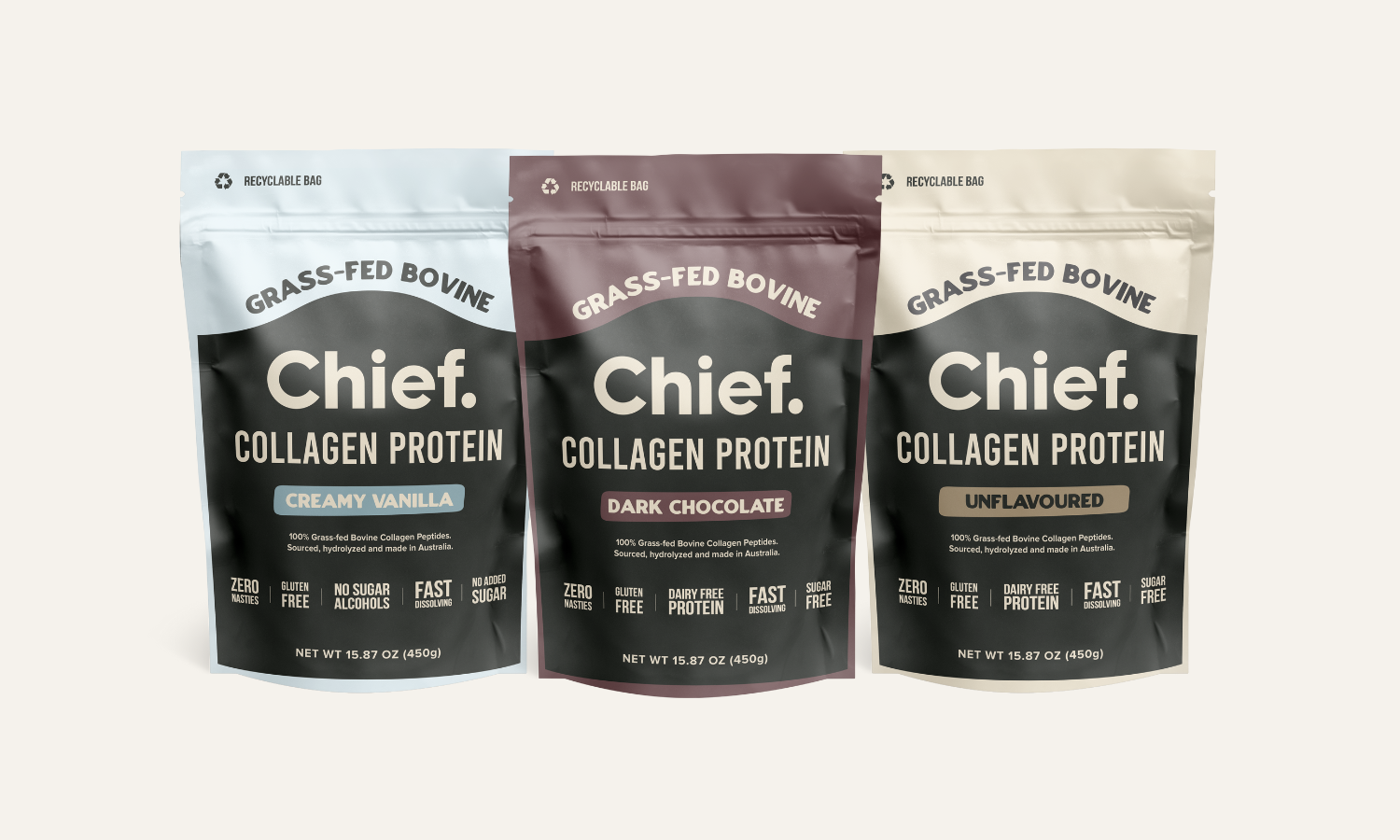
One of the biggest barriers to hitting daily protein targets is convenience. Chief's Collagen Protein Bars ideal for pre- or post-workout, or as a clean way to top up protein between meals.
The bottom line
Longevity research has a new north star, and it isn't a supplement or a biohack. It's muscle. The evidence is clear and consistent across peer-reviewed literature: greater muscle mass and strength are among the most powerful predictors of a longer, healthier, more independent life. Building and preserving muscle isn't just an aesthetic goal — it is one of the most important things you can do for your future self.
At Chief Nutrition, everything we do is built around helping you get there: real food, clean ingredients, and the science to back it up. Whether it's a grass-fed Organic Beef Bar to fuel a busy day or a Collagen Protein Bar to hit your post-workout protein target, we make it easy to do right by your muscle — and your future.
References
- Weigert C, et al. (2017). Skeletal Muscle as an Endocrine Organ: The Role of Myokines in Exercise Adaptations. Cold Spring Harb Perspect Med. PMC5666622.
- Severinsen MCK & Pedersen BK. (2020). Muscle–Organ Crosstalk: The Emerging Roles of Myokines. Endocrine Reviews, 41(4), 594–609. doi:10.1210/endrev/bnaa016.
- Pedersen BK & Febbraio MA. (2008). Muscle as an Endocrine Organ: Focus on Muscle-Derived Interleukin-6. Physiological Reviews, 88(4). doi:10.1152/physrev.90100.2007.
- Pedersen BK. (2011). Edward F. Adolph Distinguished Lecture: Muscle as an endocrine organ — IL-6 and other myokines. Journal of Applied Physiology, 107(4). doi:10.1152/japplphysiol.00734.2009.
- Farrugia F, et al. (2025). Muscle in Endocrinology: From Skeletal Muscle Hormone Regulation to Myokine Secretion and Its Implications in Endocrine-Metabolic Diseases. PubMed PMID:40648864.
- Pesta DH & Samuel VT. (2021). Exercising for Insulin Sensitivity. Frontiers in Physiology. doi:10.3389/fphys.2021.656909. [Citing DeFronzo & Tripathy, 2009.]
- Henriksen EJ. (2025). Unraveling Skeletal Muscle Insulin Resistance. Circulation Research. doi:10.1161/CIRCRESAHA.125.325532.
- Bouchonville MF & Villareal DT. (2013). Sarcopenia in older adults. Current Opinion in Clinical Nutrition & Metabolic Care. PMC4066461.
- Xu J, et al. (2022). Sarcopenia Is Associated with Mortality in Adults: A Systematic Review and Meta-Analysis. Gerontology, 68(4), 361–376. doi:10.1159/000517557.
- Cawthon PM, et al. (2016). Sarcopenia and mortality among a population-based sample of community-dwelling older adults. Journal of Cachexia, Sarcopenia and Muscle. PMC4864252.
- Morton RW, et al. (2018). A systematic review, meta-analysis and meta-regression of the effect of protein supplementation on resistance training-induced gains in muscle mass and strength in healthy adults. British Journal of Sports Medicine, 52(6), 376–384. doi:10.1136/bjsports-2017-097608.
- Nunes EA, et al. (2022). Systematic review and meta-analysis of protein intake to support muscle mass and function in healthy adults. Journal of Cachexia, Sarcopenia and Muscle. PMC8978023.
- Stokes T, et al. (2018). How much protein can the body use in a single meal for muscle-building? Journal of the International Society of Sports Nutrition. PMC5828430.

