



We’ve all been there .. the 3pm sweet or salty craving, the after-dinner reaches for chocolate, the restless need to crunch on something while you work or study. It’s tempting to read these cravings like a secret code: “I want salt, so I must be low on minerals.” The truth is more interesting, and a little more honest. Cravings are real signals, but they rarely point to a single missing nutrient. They sit at the crossroads of biology, mood, sleep, and habit. Here’s what each type of craving can and can’t tell you.
Salty cravings
Salt cravings often track with your fluid and electrolyte balance. When you sweat heavily, through exercise, heat, or illness, you lose sodium, and your appetite for salty food can rise to help restore it. Stress plays a part too: the hormone cortisol influences how your body handles sodium, which is one reason a salty snack feels so satisfying on a tense day.
The honest caveat: a salt craving doesn’t reliably mean you’re deficient in any specific mineral. Most people eating a typical modern diet already get plenty of sodium. More often, a salt craving is simply learned, ultra-processed salty foods are deliberately engineered to be moreish.
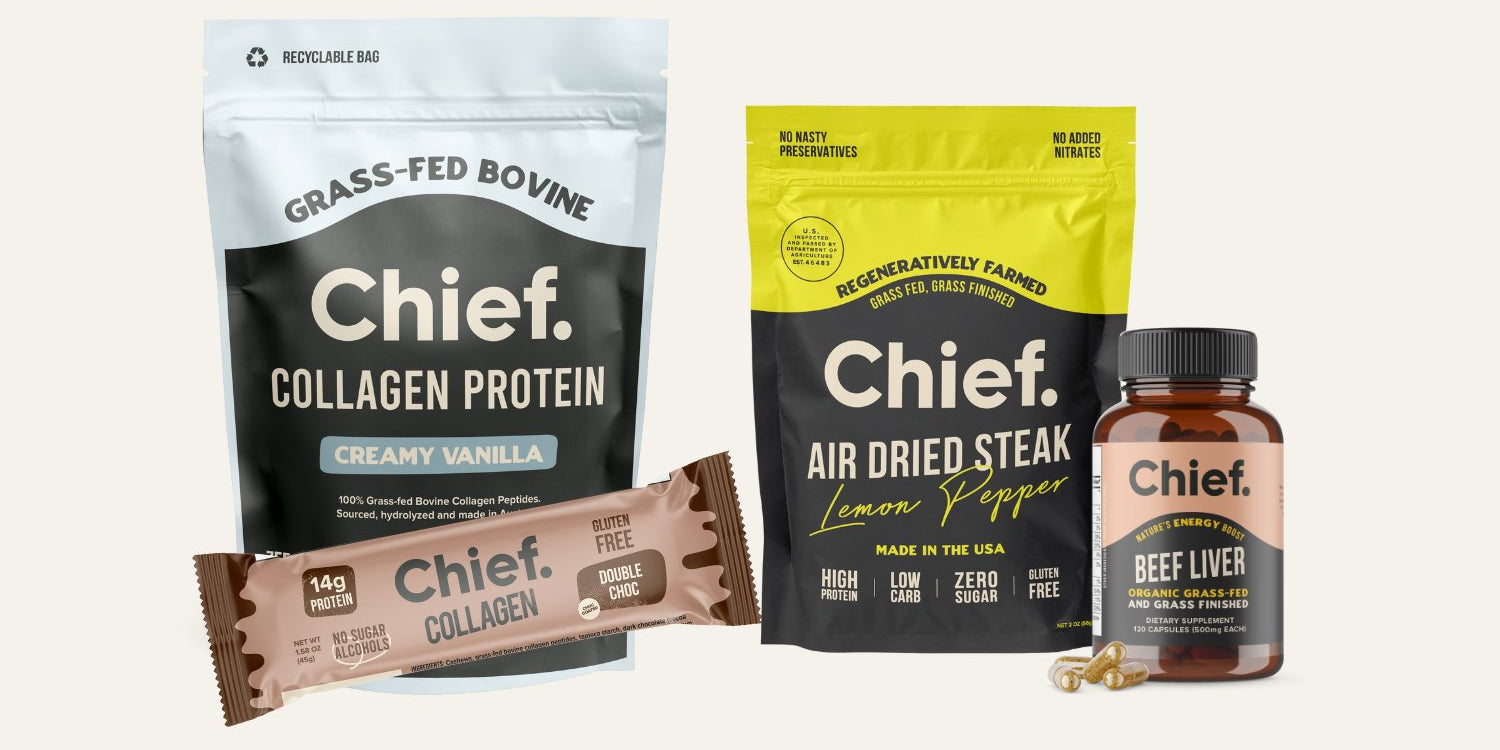
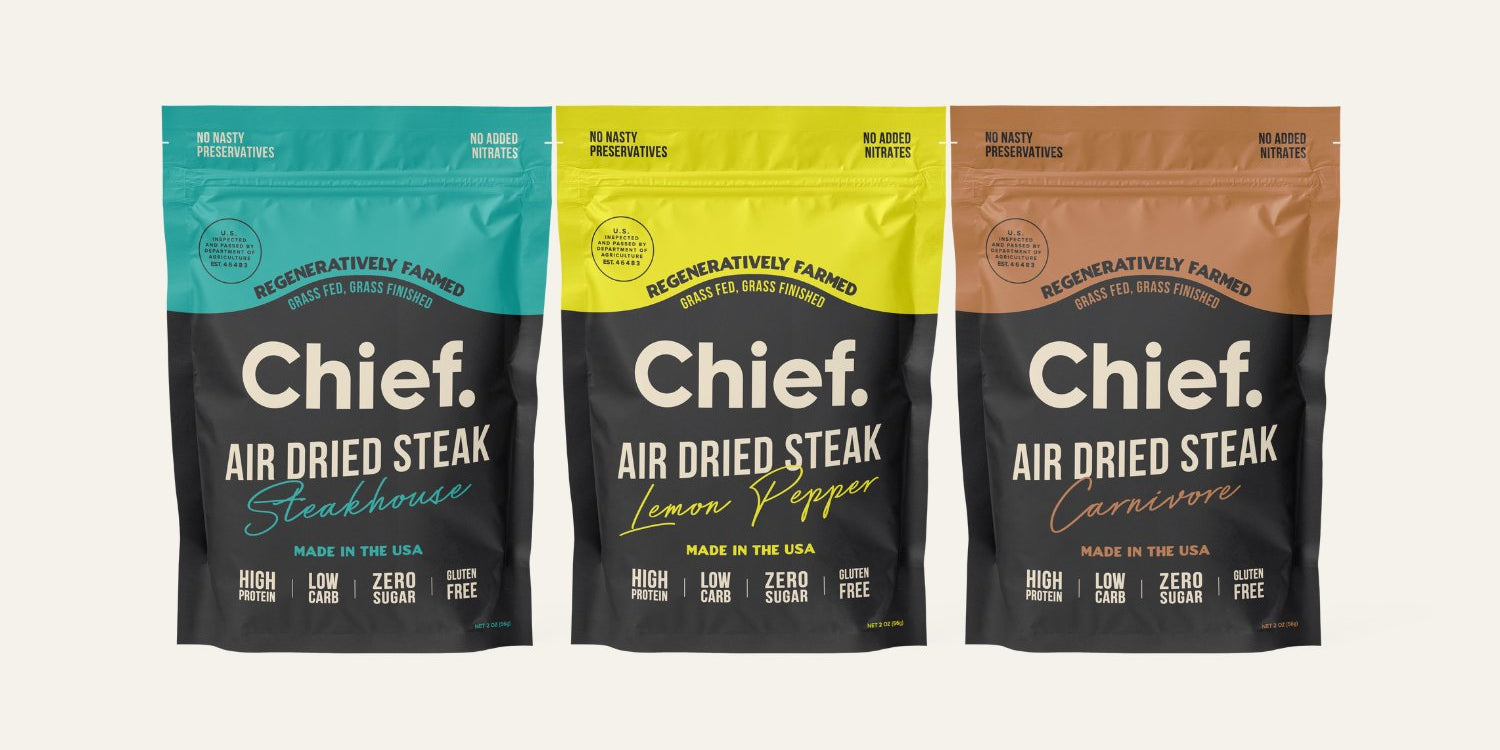
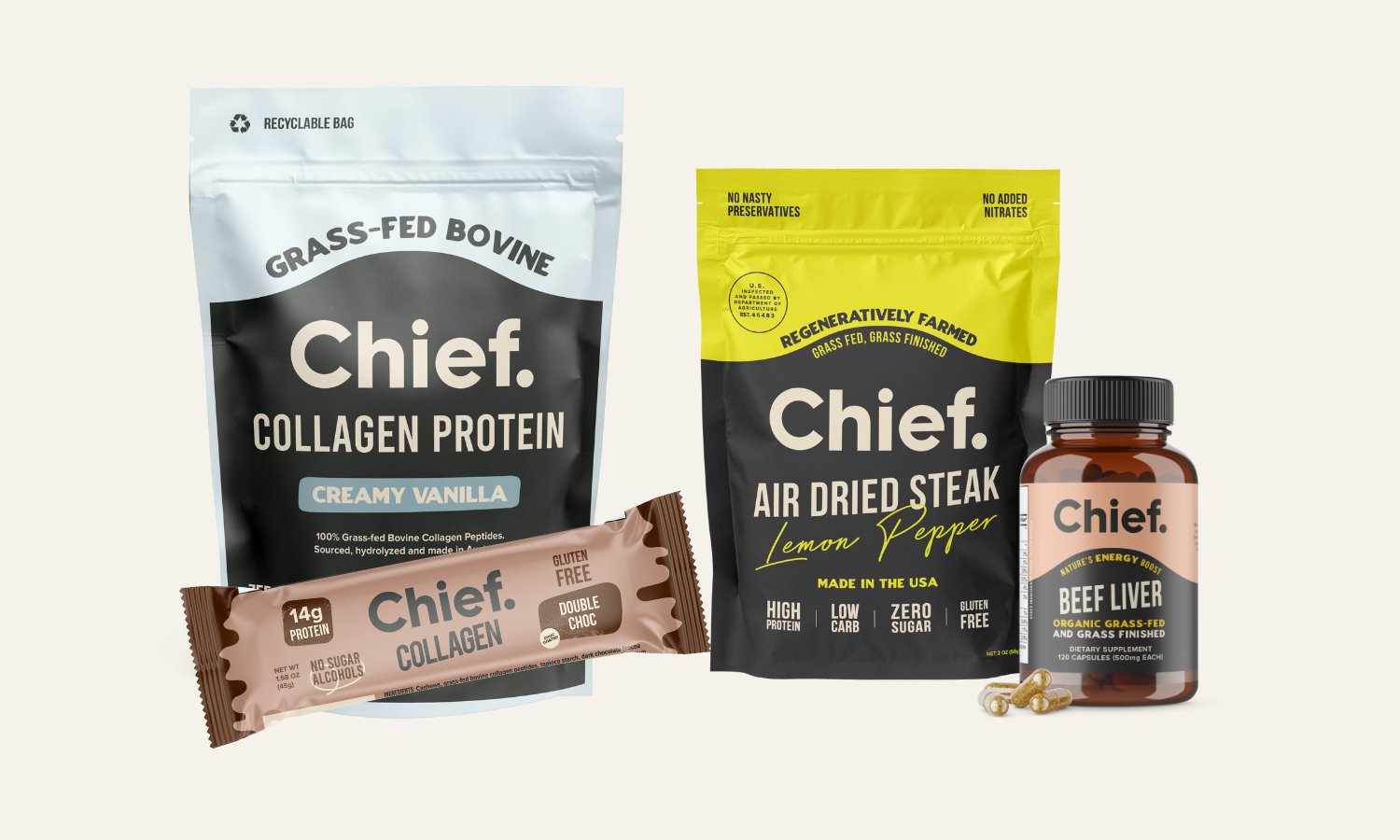
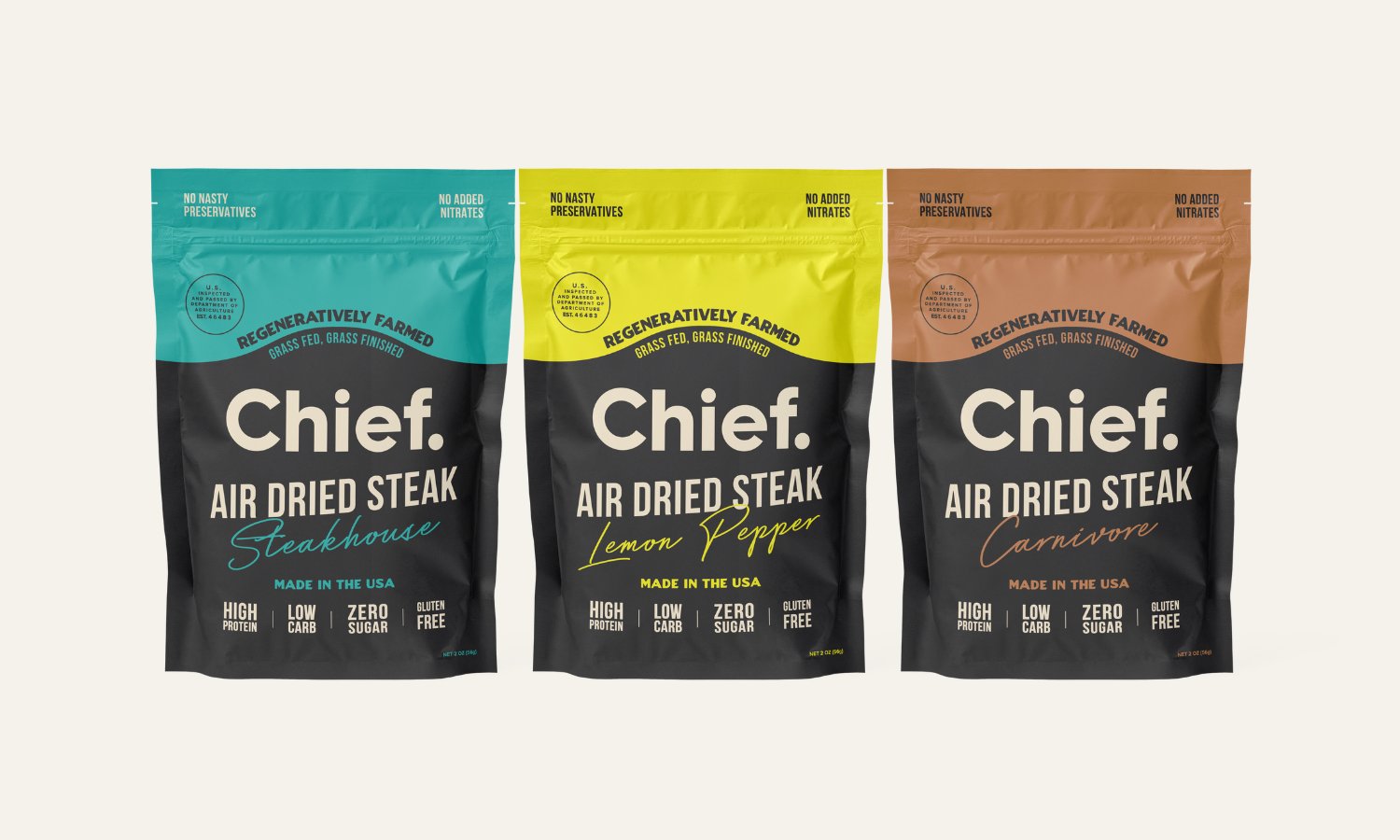
When that salty craving won't seem to quit we like to turn to a whole food option like biltong, beef bars or beef sticks!
Sweet cravings
Sweet cravings are closely tied to blood sugar, sleep, and stress. When blood sugar dips (say, after a carb-heavy meal with little protein), your body looks for a quick energy boost. Poor sleep reliably increases your need for sugary, energy-dense foods, one of the better-established findings in this area. And stress nudges us toward sweets, partly because they’re comforting and partly through the brain’s reward chemistry.
The honest caveat: the popular claim that a chocolate craving means you’re low in magnesium is not well supported by the evidence. Chocolate cravings are better explained by its taste, texture, and mood effect, and they vary a lot from person to person and culture to culture. So enjoy the chocolate; just don’t treat it as a supplement.
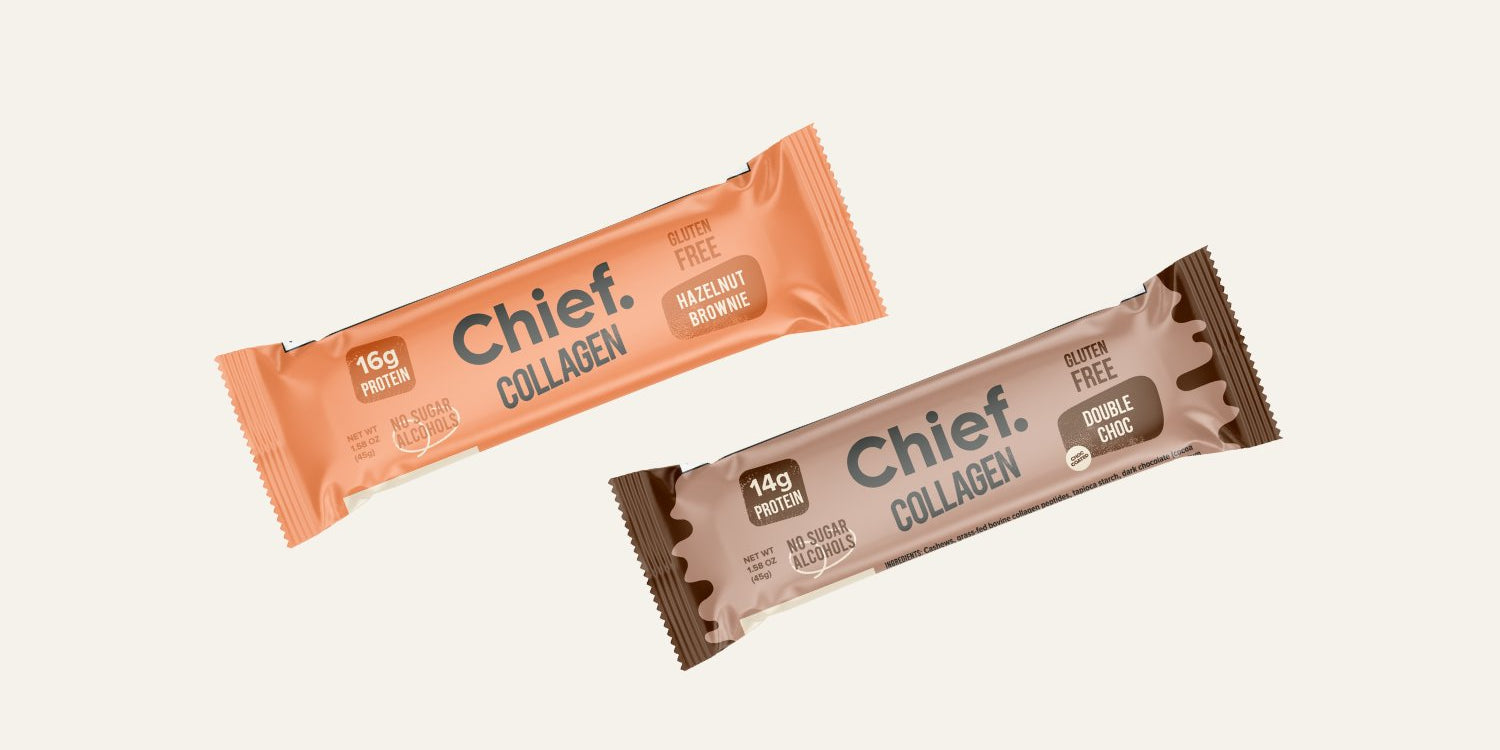
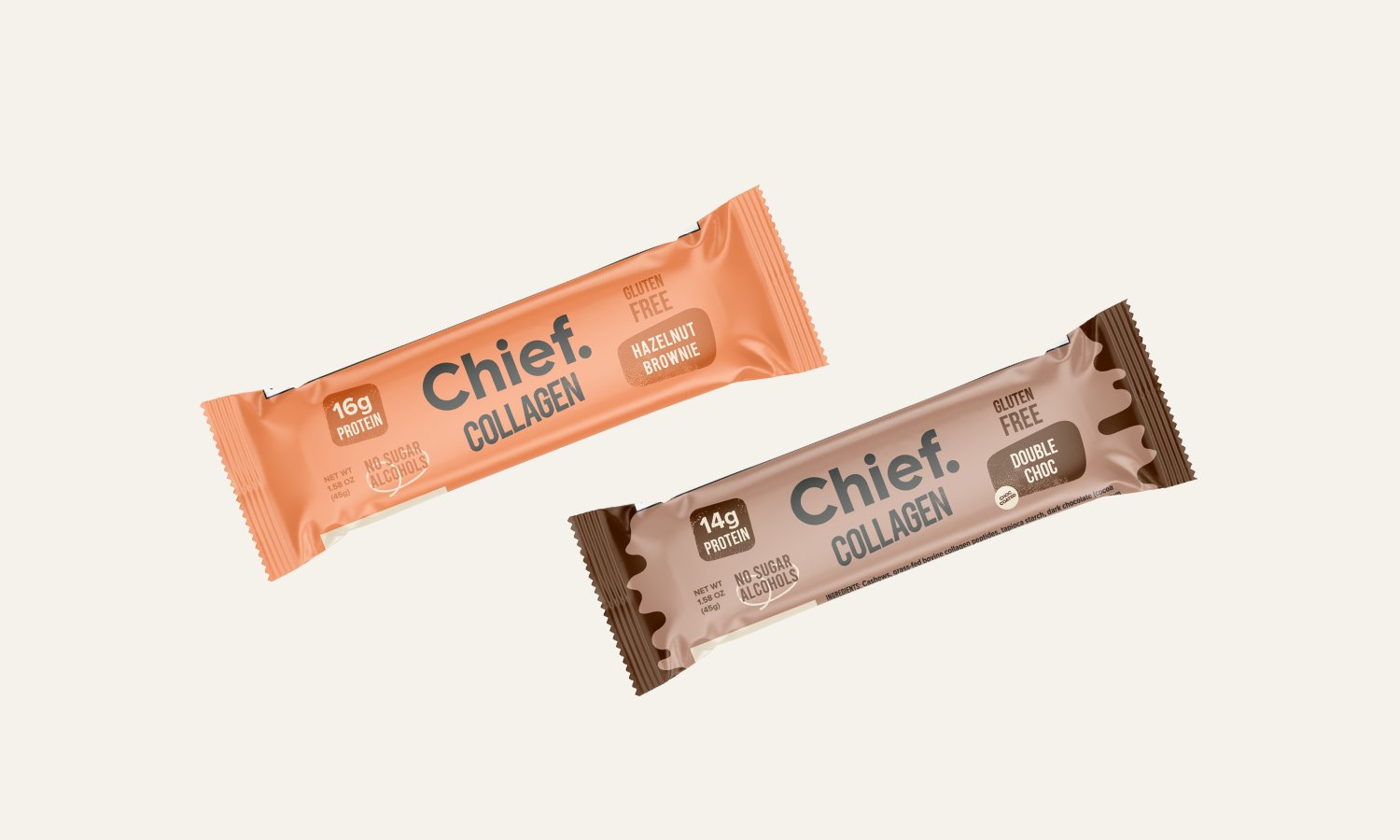
Looking for something to satisfy your sweet tooth? Try a chocolate coated collagen bar!
Crunchy cravings
Crunchy cravings are mostly about sensation and stress relief rather than nutrition. The physical act of crunching can be a release valve, many people reach for crunchy foods when they’re tense, bored, or frustrated. Texture is genuinely satisfying, and that’s a perfectly normal reason to want it.
One craving is worth flagging, though: a strong, persistent urge to crunch ice (a pattern called pagophagia) is associated with iron-deficiency anemia and is worth mentioning to a doctor. It’s one of the few cravings with a clear, evidence-backed medical link.
So what do cravings actually reveal?
More often than not, a craving reveals a state, not a deficiency: you’re dehydrated, under-slept, stressed, hungry, or simply running on a well-worn habit. The “your body needs nutrient X” framing is appealing but oversimplified. The more useful questions to ask yourself are: Have I eaten enough protein and fibre today? Did I actually sleep? Am I thirsty? Am I stressed or just bored?
Working with your cravings
A few evidence-aligned habits tend to steady cravings:
- Build meals around protein and fibre, which slow blood-sugar swings and keep you fuller for longer.
- Stay hydrated, thirst often masquerades as hunger.
- Protect your sleep, since short nights amplify sugar cravings.
- Don’t over-restrict; rigidly banning foods often backfires into stronger cravings.
- When a craving hits, pause and name the likely driver if you're tired, stressed, or genuinely hungry, before reaching for a fix.
When a craving is really hunger
If your cravings are really hunger in disguise, a satisfying, protein-rich snack beats a sugar spike that leaves you hungry again an hour later.
Your cravings aren’t a fault to fix or a riddle to crack perfectly. They’re useful nudges, just not always the ones the internet promises. Listen to them, get curious about what’s underneath, and feed yourself well.
