



TL;DR: Why cravings happen
- Cravings are signals, not willpower failures.
- Blood sugar and sleep are big drivers.
- Stress feeds a comfort-food loop.
- Not enough protein leaves you vulnerable.
The 3pm pull toward the biscuit tin. The late-night urge for something sweet, even though dinner was an hour ago. We tend to file these moments under “willpower” as if craving something is a small personal failing. But cravings aren’t really about being weak. They’re signals. Your body and brain are responding to things going on beneath the surface: your blood sugar, your sleep, your stress levels, how much protein you’ve eaten, and the everyday cues around you.
Once you understand what’s actually driving a craving, it stops feeling like a battle and starts feeling like information. Here’s what the science says is really going on.
1. The blood sugar rollercoaster
When you eat something high in refined carbohydrates or sugar (white bread, lollies, a sugary coffee) your blood glucose rises quickly. What goes up tends to come down, and as blood sugar falls, your appetite ramps back up. Falling blood glucose is a well-recognised appetite-stimulating state, which is part of why a sugary snack can leave you hungrier again before long.
Liquid sugar is especially sneaky. Harvard Health notes that liquid calories aren’t as satisfying as calories from solid food, so it’s easy to take in a lot without feeling full. The fix isn’t to swear off sweetness forever, in fact, dramatically cutting out all sweets can backfire and trigger cravings. Easing off gradually, and pairing carbs with protein and fibre to soften the spike, tends to work better.
2. You’re running on too little sleep
This one catches a lot of people by surprise. A short night doesn’t just make you tired, it changes your hunger hormones. According to the Sleep Foundation, a lack of sleep has been found to increase ghrelin (the hormone that says “eat”) and decrease leptin (the one that says “you’re full”), which leaves you hungrier overall. Worse, too little sleep ramps up activity in the brain regions that treat food as a reward, and studies have found that sleep-deprived people specifically crave higher-calorie, sugary foods.
So if you find yourself raiding the pantry the day after a bad night’s sleep, that’s not a lack of discipline. It’s biochemistry. Protecting your sleep is one of the most underrated craving-management tools there is.
3. Stress and the comfort-food loop
When stress sticks around, your body keeps releasing cortisol, and cortisol increases appetite. Harvard Health Publishing notes that numerous studies link physical and emotional stress to eating more food high in fat, sugar, or both, and that these “comfort foods” seem to dampen the body’s stress response, which is exactly what makes the loop so easy to fall into. One study even found that people who responded to stress with high cortisol were more likely to reach for snacks when daily hassles piled up.
It’s worth saying that this varies from person to person, and some of the food-preference research comes from animal studies. But the broad pattern is real and familiar: stress up, comfort-food cravings up. Naming the stress, rather than just fighting the snack, is often the more effective move.
4. You’re simply not eating enough protein
If your meals lean heavily on carbs, your cravings may be telling you something’s missing. Protein is the most satiating of the three macronutrients, more filling, gram for gram, than carbohydrate or fat. It also nudges your appetite hormones in a helpful direction: a high-protein intake raises the fullness hormones GLP-1, CCK and PYY while lowering hunger-driving ghrelin. In one study, a high-protein breakfast produced more lasting fullness than an equal-calorie high-carb one, largely by keeping ghrelin lower afterwards.
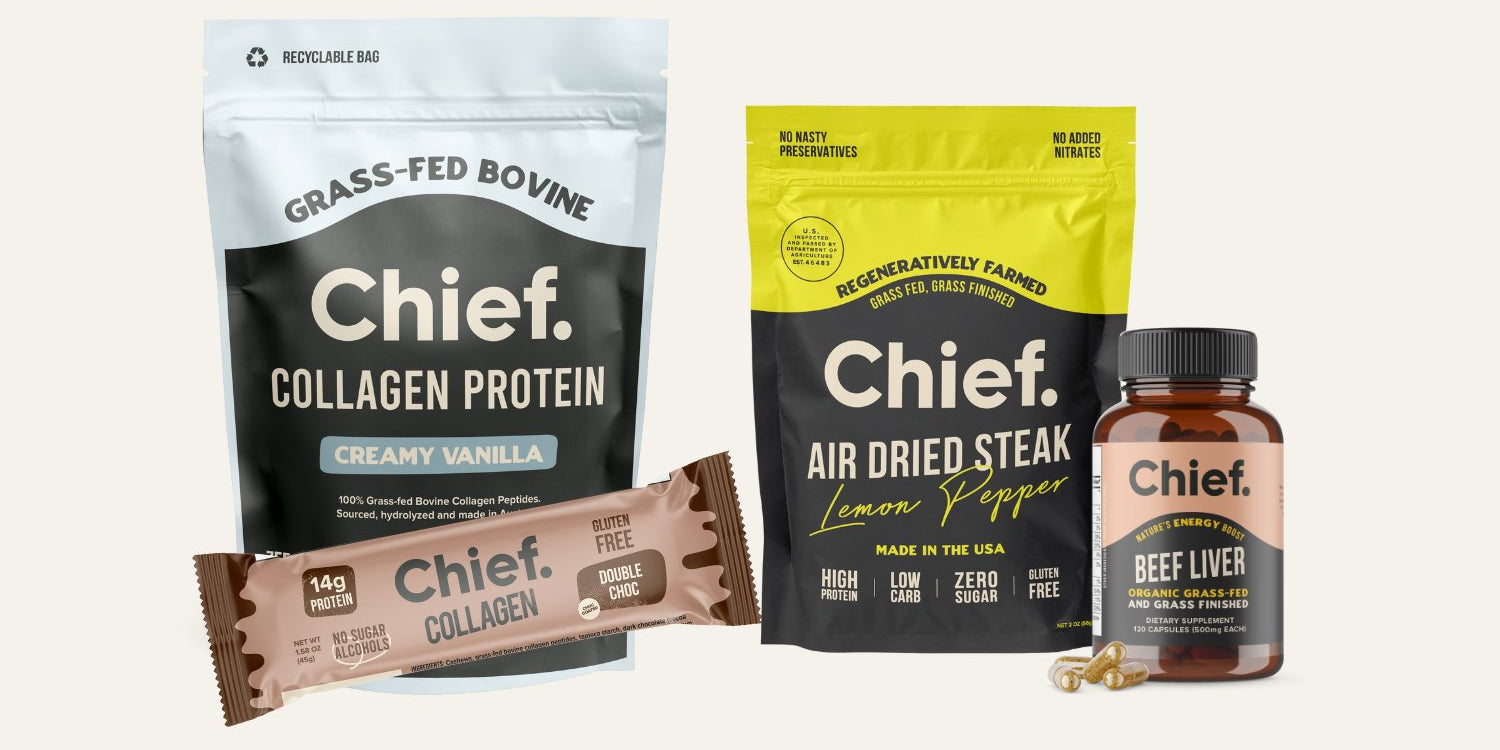
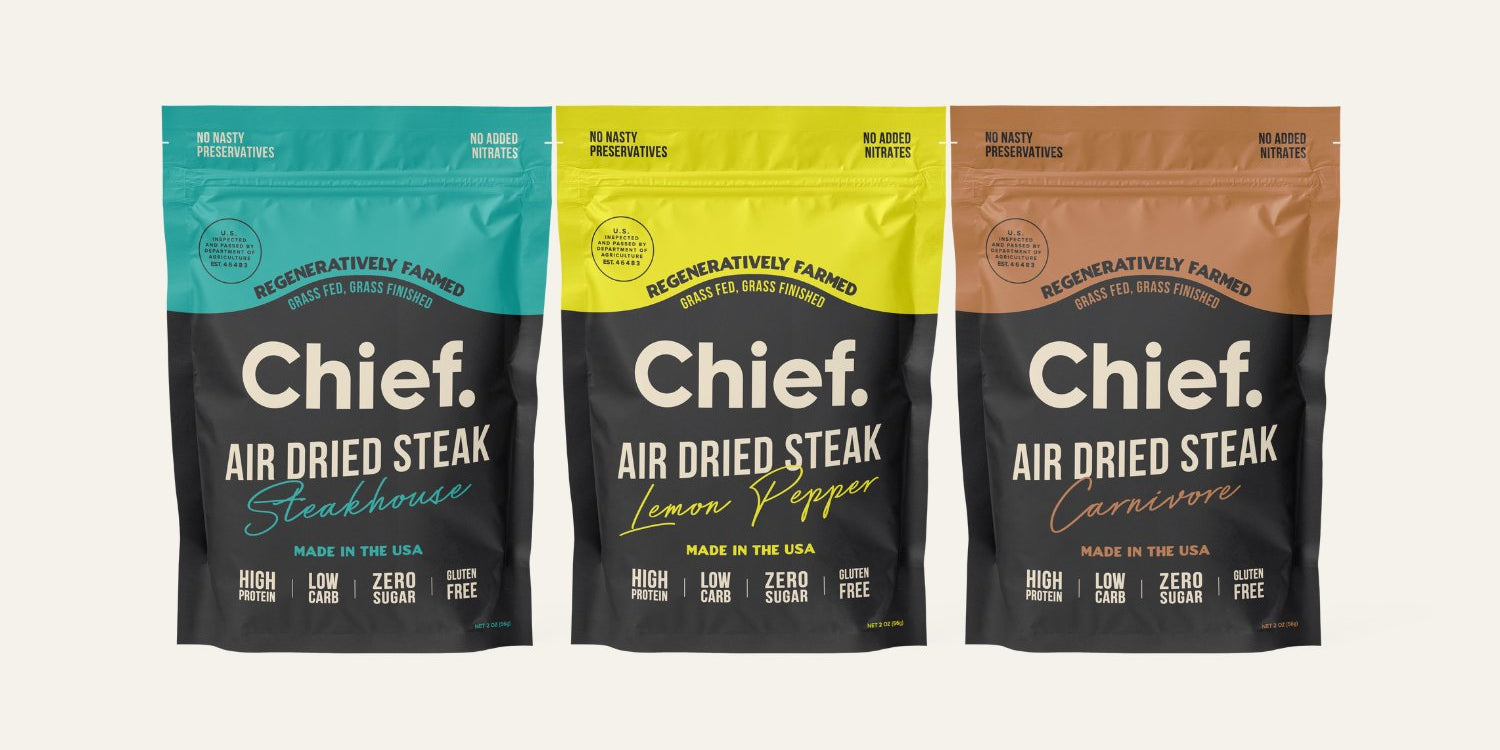
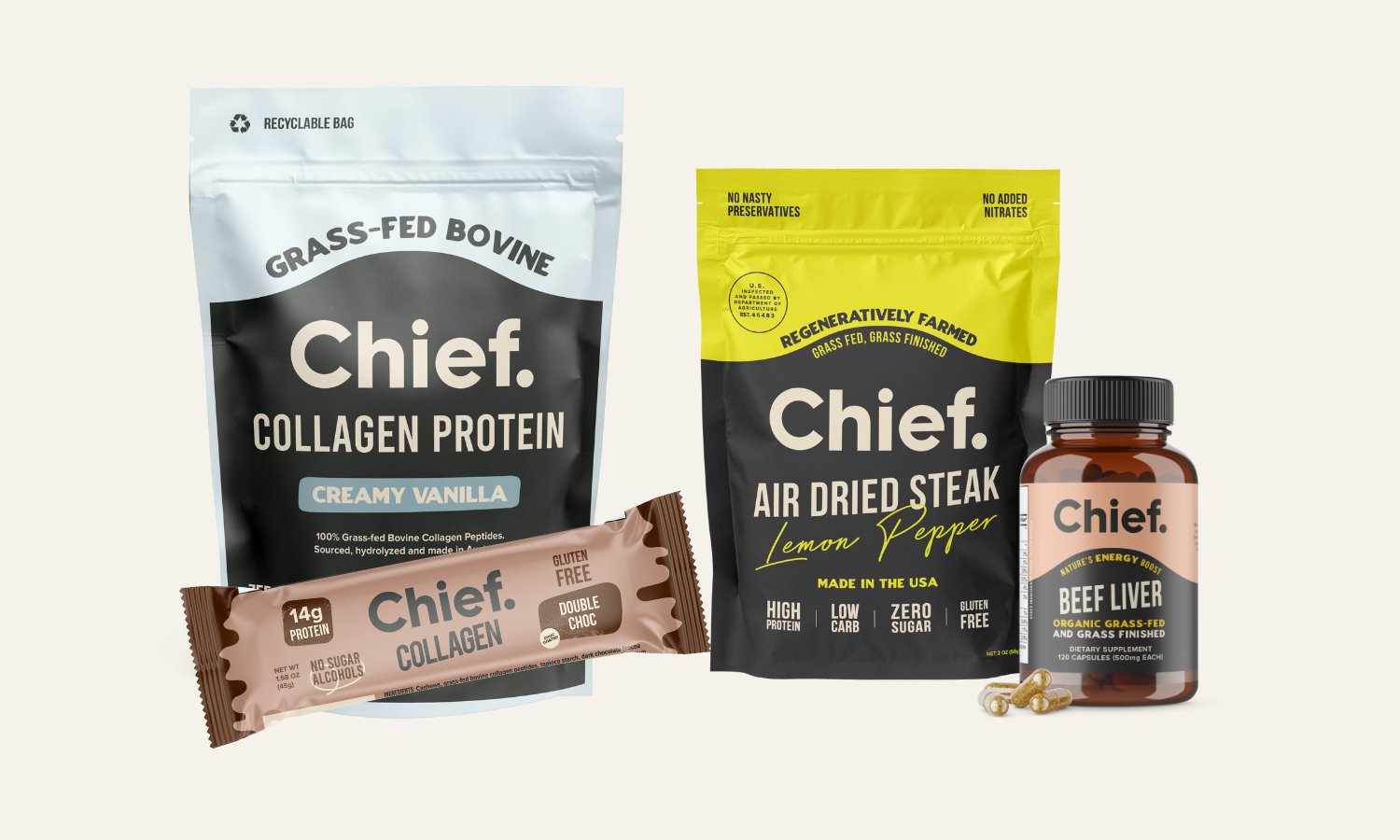
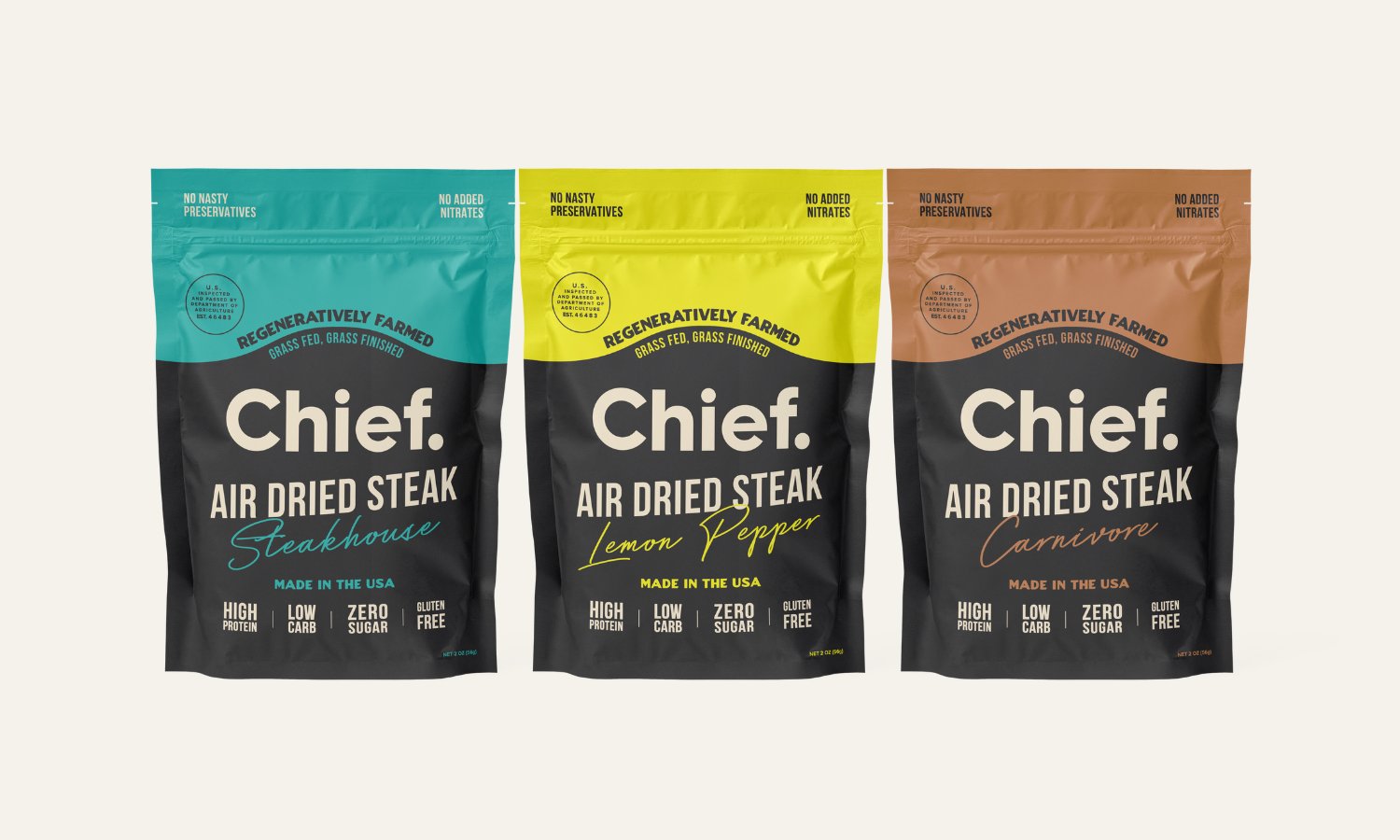
The practical takeaway is to anchor meals and snacks with protein so you’re less likely to be ambushed by a craving an hour later. This is where a genuinely convenient protein snack earns its place. Chief’s beef biltong is a good example: it’s air-dried, grass-fed and grass-finished organic beef that’s naturally high in protein, rich in iron and low in carbs, with no sugary marinades or the usual preservatives. When the mid-afternoon slump hits, a savoury, protein-dense bite tends to satisfy in a way another handful of sweet things won’t.
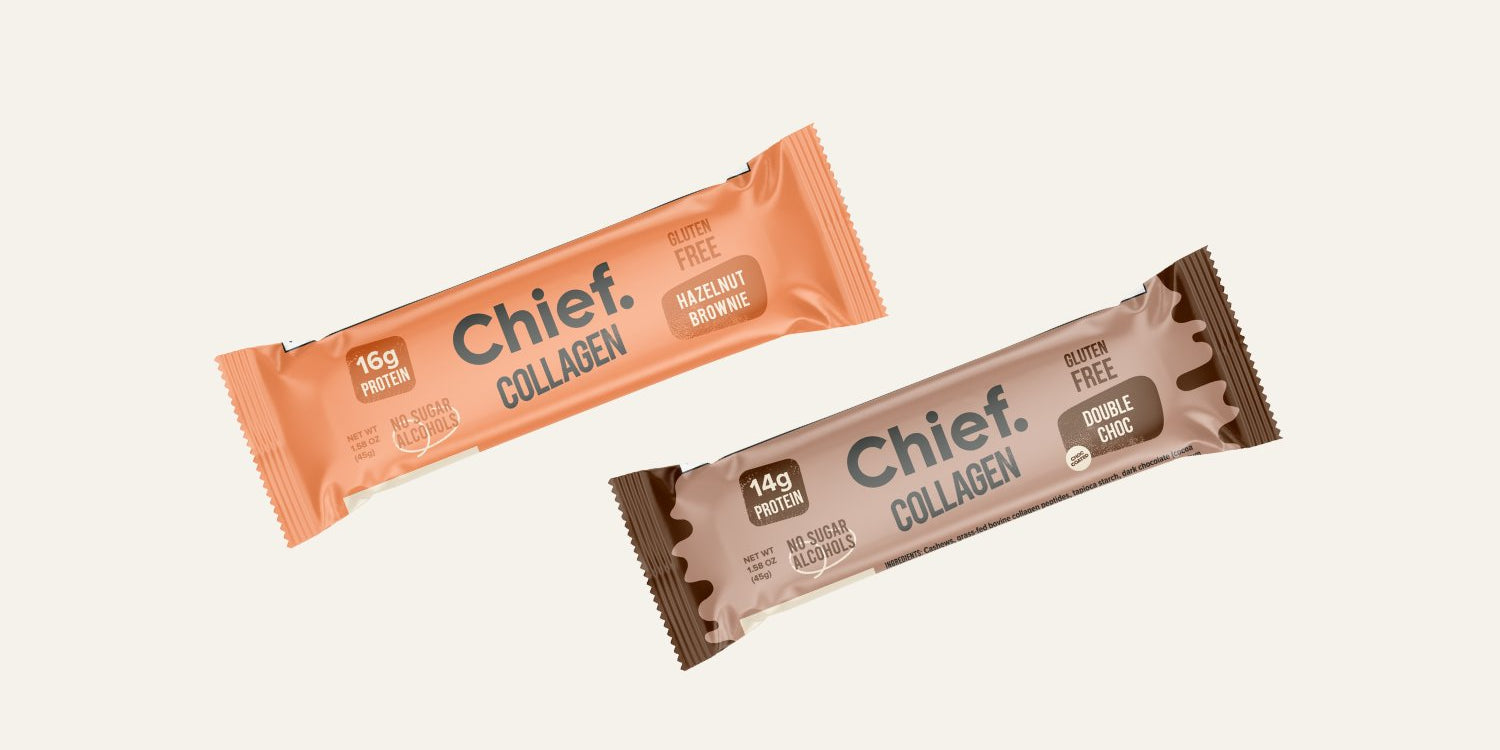
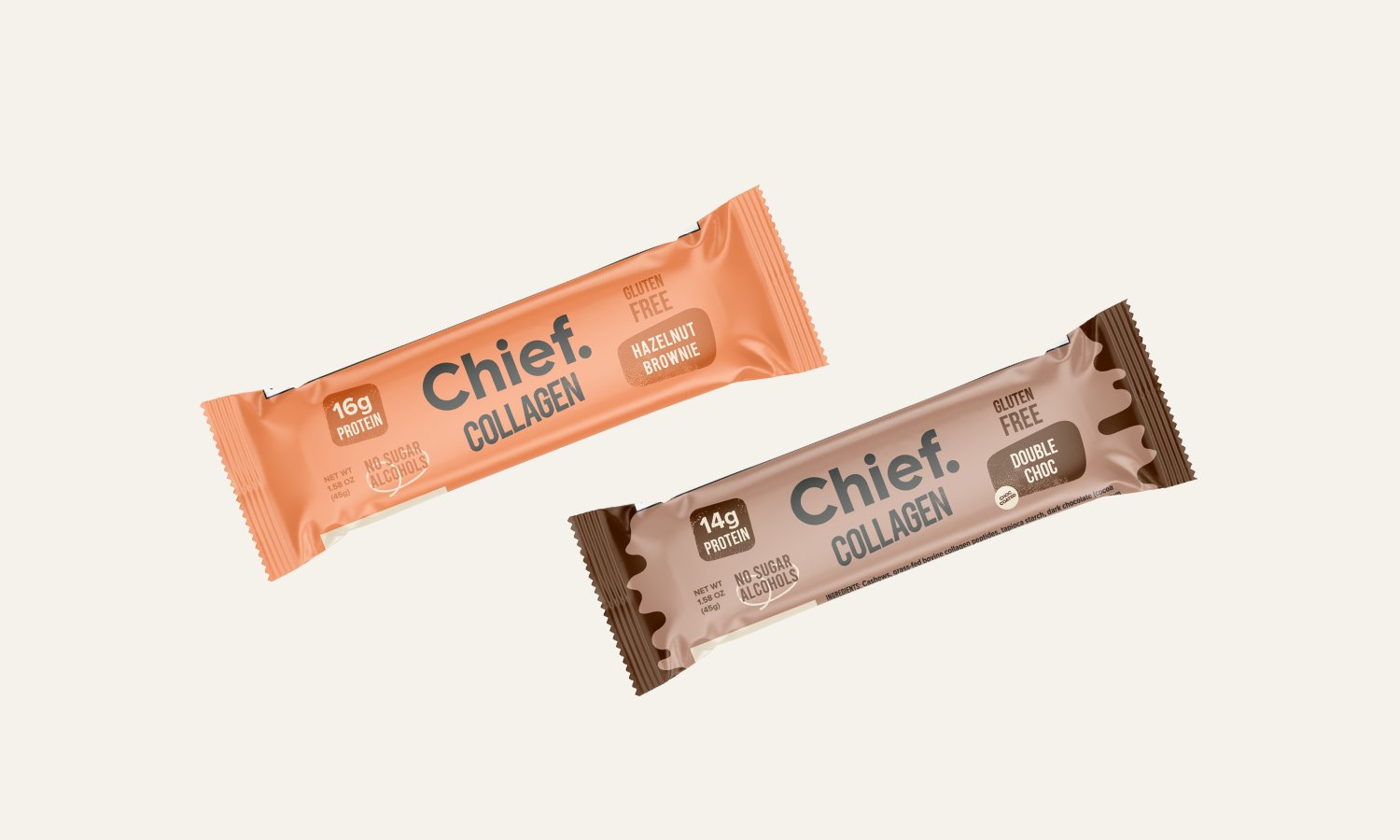
Chief’s beef bars and sticks work the same way for an on-the-go option, something to keep in a bag or glovebox for the moments when you’d otherwise grab whatever’s closest. The point isn’t that one snack is magic; it’s that having a satisfying, protein-first choice ready makes the easy option the better one.
5. Habit, environment, and the brain’s reward system
Not every craving comes from your stomach. Plenty come from your surroundings. We’re highly sensitive to cues in our environment, the smell of fresh cookies, the sight of a burger, the vending machine you pass every afternoon, these can trigger the desire to eat even when you’re not actually hungry. Eating is tied to the brain’s reward chemistry, with dopamine involved in the pleasure we get from food, which is part of why certain cues pull at us so reliably.
There’s also the simple matter of attention. Research summarised by Harvard found that eating while distracted leads people to eat more, and not really remembering a meal makes you more likely to eat again sooner. A lot of “cravings” are really just well-worn habits firing on cue. The good news: because they’re learned, they can be gently rewired by changing the cue, a different route, a tidier pantry, a glass of water and a pause before deciding.
A couple of myths worth retiring
You’ve probably heard that chocolate cravings mean you’re low on magnesium. It’s a tidy story, but it doesn’t hold up well: the National Institutes of Health lists the symptoms of magnesium deficiency as loss of appetite, nausea, fatigue and weakness, not chocolate cravings. So that particular craving is almost certainly about reward and habit, not a mineral your body is desperately signalling for.
Another popular tip is that you’re often “just thirsty” when you think you’re hungry. This one is widely repeated but not well supported by strong evidence, so it’s fair to treat it as a harmless experiment rather than a fact. Having a glass of water and waiting a few minutes can still be a good idea, just don’t expect it to switch off a genuine craving every time.
Working with your cravings, not against them
Cravings make a lot more sense once you stop treating them as character flaws. Most of the time they’re pointing at something practical: you’re short on sleep, you’re stressed, you skipped the protein, your blood sugar is dipping, or you’ve simply walked past the same tempting cue you always do.
That means the most reliable fixes are unglamorous but genuinely effective: prioritise sleep, build meals and snacks around protein and fibre, manage stress in ways that don’t route through the pantry, and tweak the everyday cues that set you off. Keep a satisfying, protein-rich option within reach for the moments willpower alone won’t cut it. Do that, and the urges get quieter, not because you’re fighting harder, but because you’ve finally given your body what it was asking for all along.
Resources
The science in this article draws on the following sources. Where evidence for a popular claim is weak, that has been noted in the text above.
-
Sleep Foundation, “Sleep and Overeating” — sleepfoundation.org/physical-health/sleep-and-overeating
-
Harvard Health Publishing, “Why stress causes people to overeat” — health.harvard.edu
-
Harvard Health Publishing, “The sweet danger of sugar” — health.harvard.edu
-
Harvard Health Publishing, “Why eating slowly may help you feel full faster” — health.harvard.edu
-
Harvard Health Publishing, “Distracted eating may add to weight gain” — health.harvard.edu
-
Pesta & Samuel, “A high-protein diet for reducing body fat,” Nutrition & Metabolism (2014) — ncbi.nlm.nih.gov/pmc/articles/PMC4258944
