



If you've ever tried to lose weight, you've probably been told the same thing: count your calories.
For some people, it works. For others, it turns every meal into a maths exercise that quickly becomes exhausting.
So what's the truth? Do you really need to count every calorie to lose weight, or is there a better approach?
The answer is a little more nuanced than social media would have you believe.
Calories do matter
Let's start with the science.
To lose body fat, you need to be in a calorie deficit. In simple terms, that means consuming less energy than your body uses over time. This principle is well established and supported by decades of research.
Calorie counting works because it creates awareness. Most of us are surprisingly poor at estimating how much we eat. Research shows people commonly underestimate their food intake by 30 to 50%, particularly when it comes to snacks, drinks, oils and portion sizes.
If you've never tracked your food before, logging your meals for a week or two can be genuinely helpful. It can teach you what a serving size actually looks like, highlight where extra calories are creeping in, and help you understand your eating habits.
But here's the catch.
Calories aren't the whole story
Not all foods affect your body in the same way.
A 500-calorie meal made up of lean protein, vegetables and whole foods will leave you feeling very different to 500 calories from pastries or chips. They may contain the same amount of energy, but they have very different effects on hunger, blood sugar, cravings and overall nutrition.
This is one of the biggest limitations of calorie counting. It focuses on quantity without considering quality.
It also doesn't tell you whether your meal is actually satisfying. If you're hungry again an hour later, you're much more likely to keep eating, making it harder to stay in a calorie deficit without feeling like you're constantly relying on willpower.
For some people, especially those with a history of dieting or disordered eating, tracking every gram of food can also become stressful or obsessive. And while calorie counting can be useful as a short-term learning tool, very few people want to do it forever.
What the research says matters more
Rather than focusing solely on calories, research increasingly points to two nutrients that make sustainable weight management much easier: protein and fibre.
Both help you feel fuller for longer, naturally reduce overall calorie intake, and make it easier to maintain healthy eating habits without constantly thinking about food.
Protein
Protein is the most filling of the three macronutrients. It also has the highest thermic effect of food, meaning your body uses more energy to digest and process it than it does for carbohydrates or fat. While this isn't a magic weight loss trick, it's one of the reasons higher-protein diets consistently help people lose body fat while preserving lean muscle.
Aim for around 1.2 to 1.6 grams of protein per kilogram of body weight each day, spread across your meals rather than eating it all at once.
For someone weighing 70kg, that's roughly 85 to 110 grams of protein per day.
Fibre
Fibre is equally important but often overlooked.
Most Australian adults fall well short of the recommended daily intake, yet fibre plays a huge role in appetite regulation. It slows digestion, helps stabilise blood sugar, supports gut health and keeps you feeling satisfied between meals.
Aim for 25 to 38 grams of fibre each day from foods like vegetables, fruit, legumes, wholegrains, nuts and seeds.
When you consistently eat enough protein and fibre, something interesting happens. Many people naturally eat fewer calories because they're simply less hungry.
A simpler way to eat
Instead of asking, "How many calories is this?", try asking a different question.
"Will this meal keep me full for the next three or four hours?"
If the answer is no, it's probably missing protein, fibre or both.
This shift in thinking often leads to better food choices without the need to track every bite.
Some simple ways to make that happen include:
- Boost the protein in everyday meals. Stir a scoop of Chief Unflavoured Whey Protein into a homemade salad dressing for an easy protein boost.
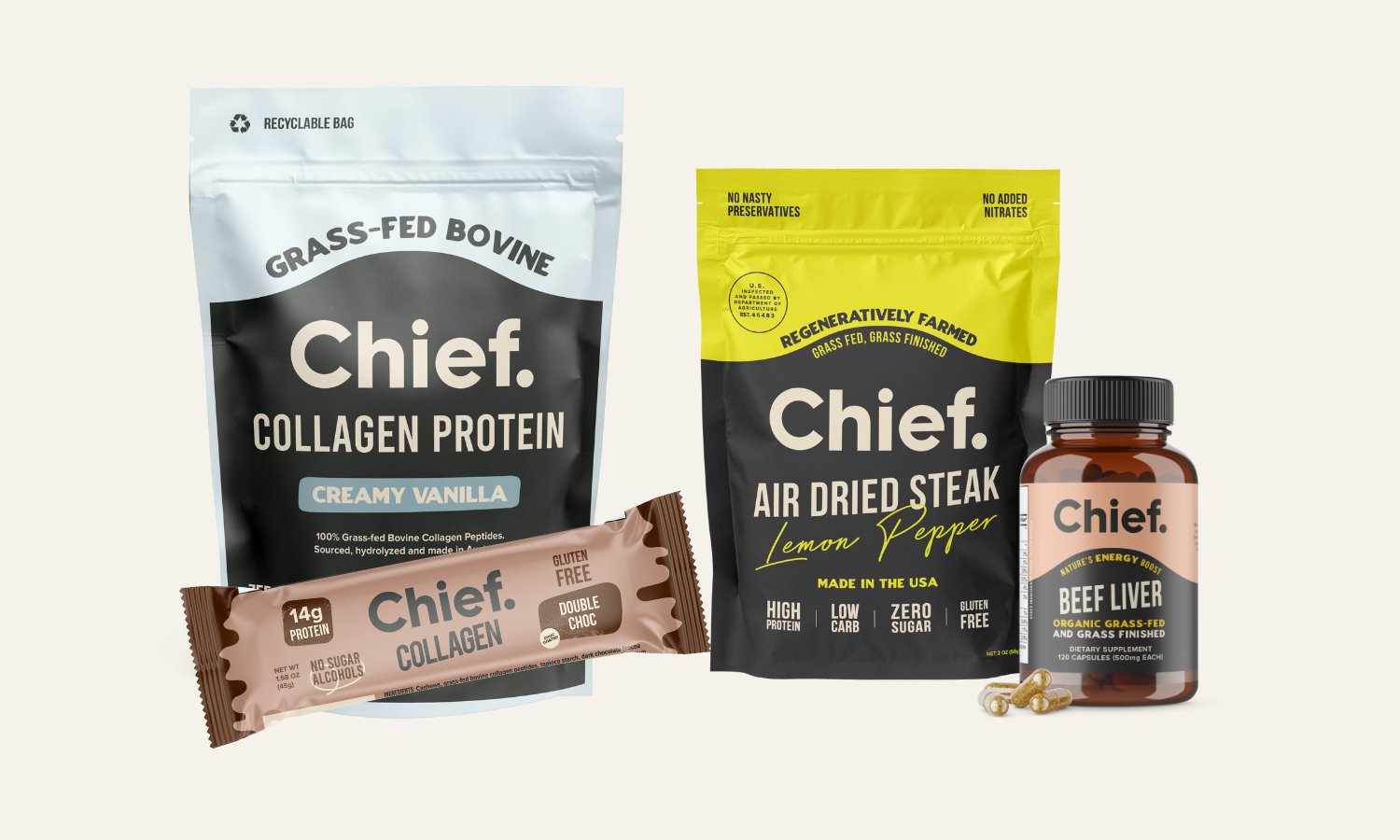
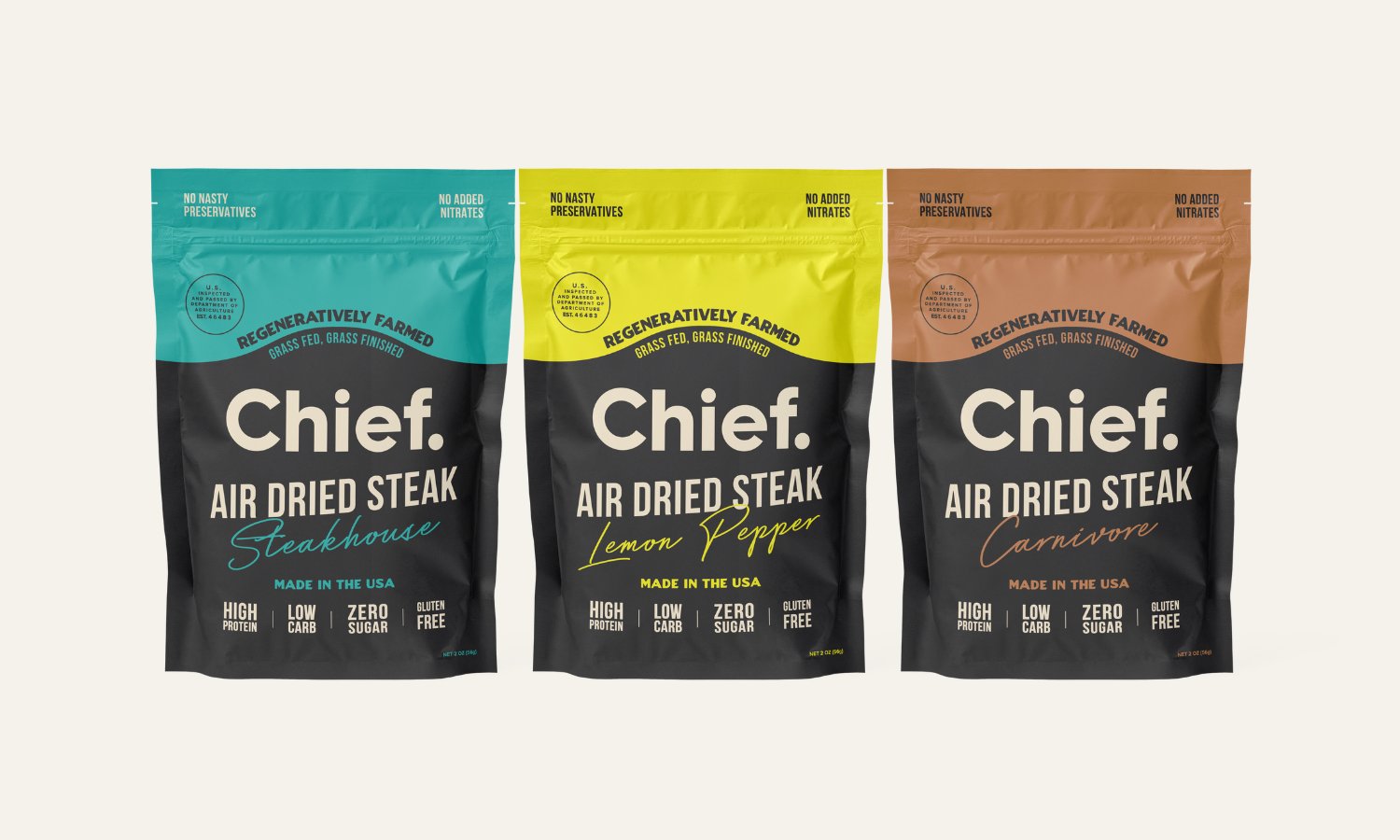
- Swap a processed snack for a Chief Beef Bar. With 18.4g of protein per serve and made from real food ingredients, they'll keep you satisfied for longer than most snack foods.
- If you're short on time, don't skip meals. A Chief Meal Shake provides 30g of protein along with 23 vitamins and minerals from real food ingredients, making it an easy option when life gets busy.
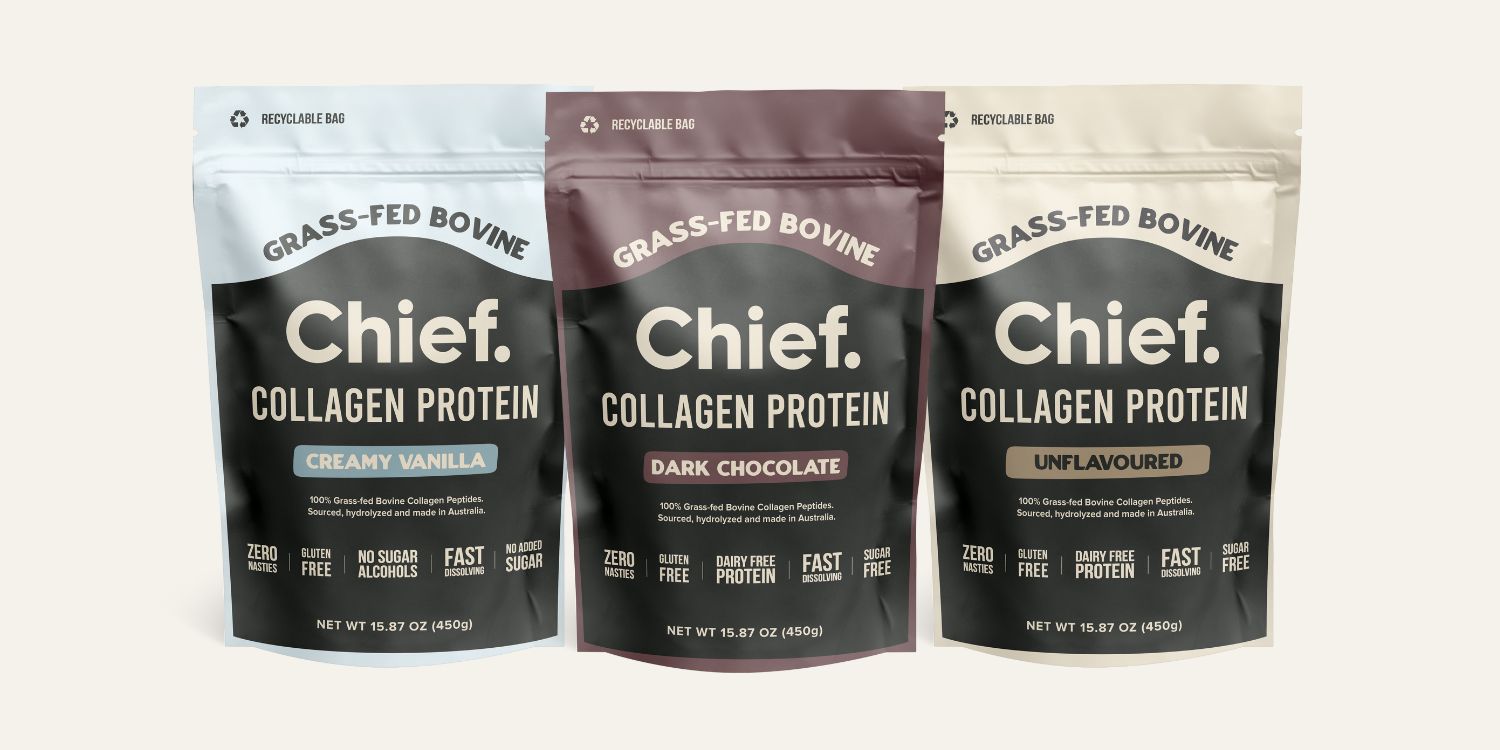
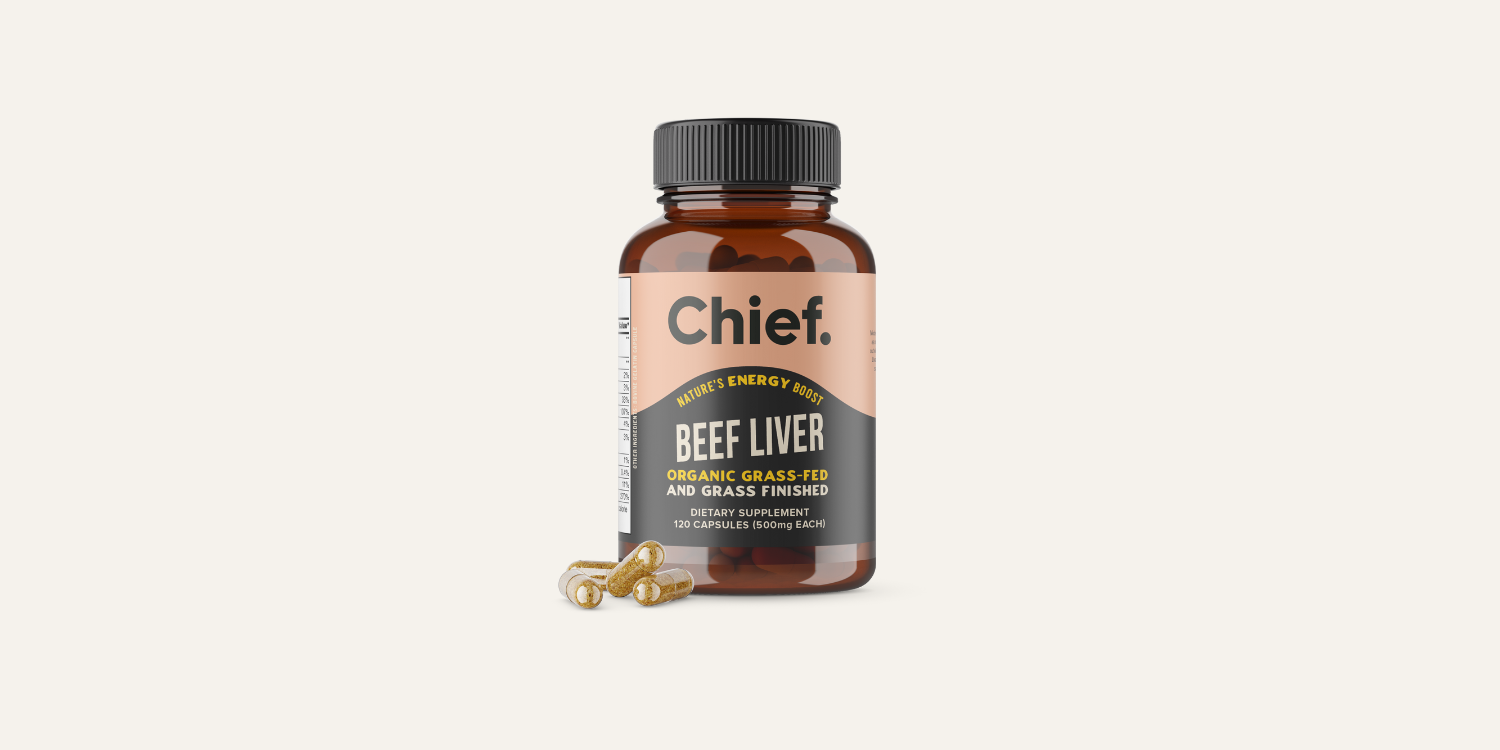
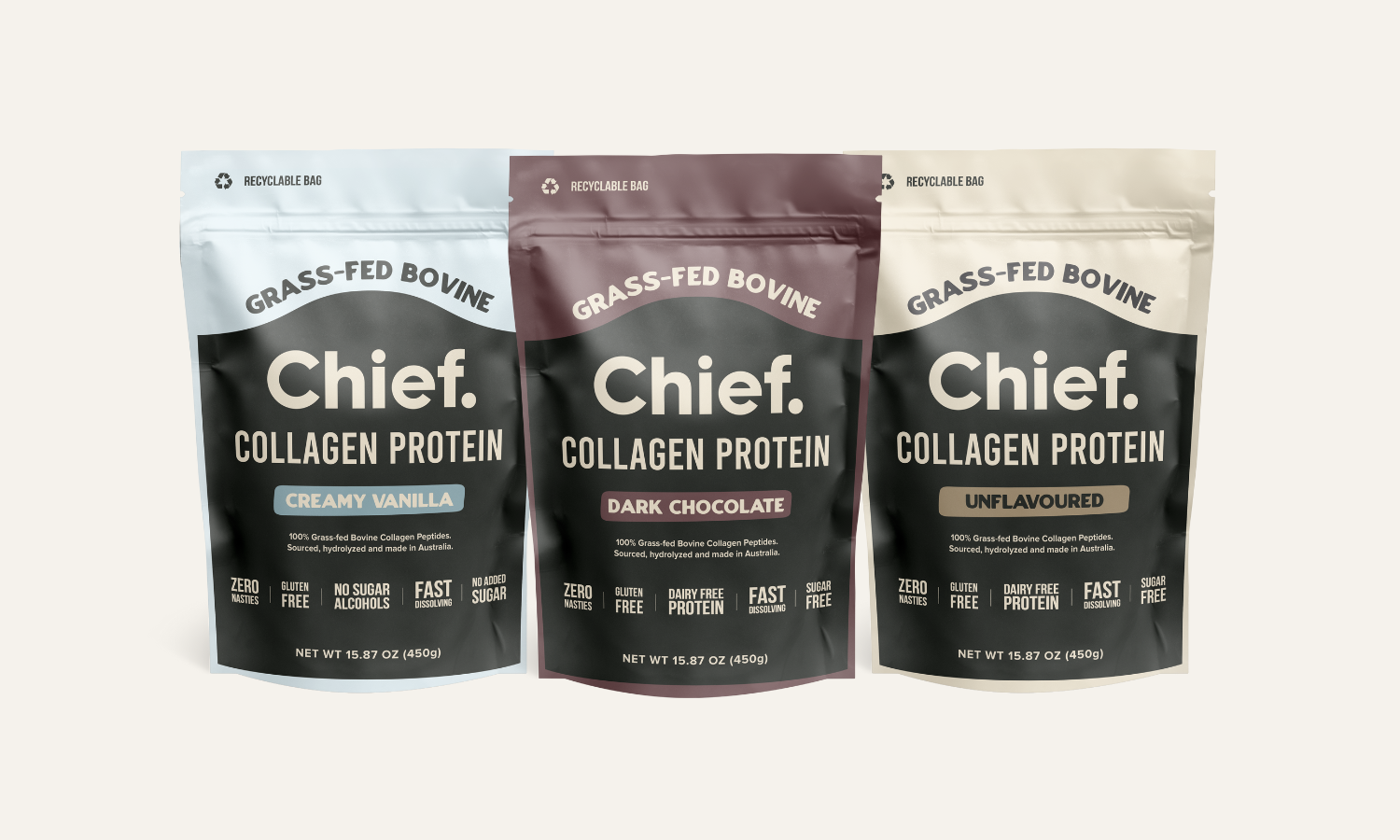
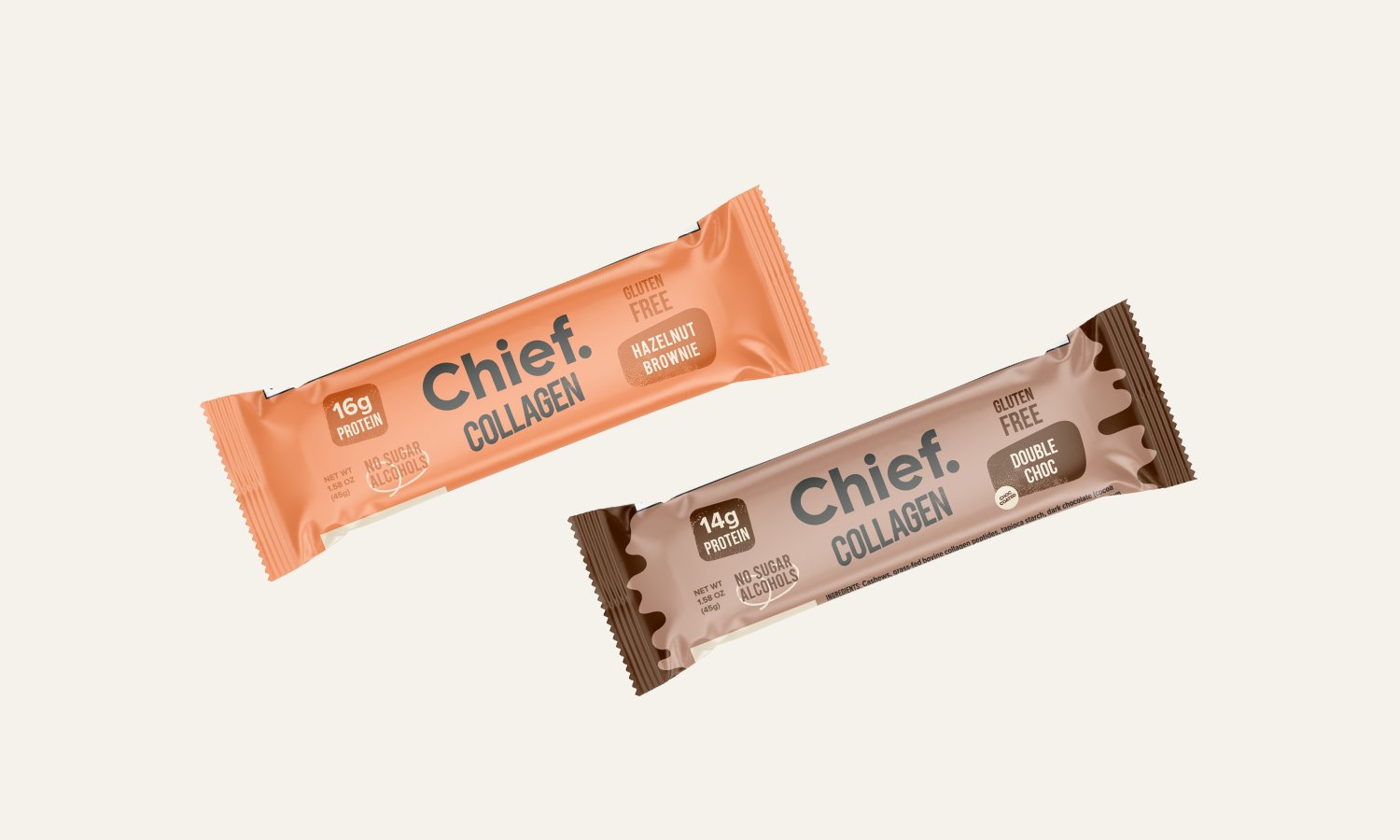
- Add a scoop of Chief’s Creamy Vanilla Collagen to your morning coffee, smoothie or yoghurt to increase your protein intake earlier in the day. Starting the day with more protein can help reduce hunger later on.
These aren't shortcuts or weight loss hacks. They're practical habits that make healthy eating easier to stick with.
So, should you count calories?
The answer depends on you.
If tracking calories helps you understand your eating habits without causing stress, it can be a useful tool, especially in the beginning.
But it isn't a requirement for losing weight, and for many people it isn't the most sustainable strategy.
Instead of becoming obsessed with numbers, focus on building meals around protein, fibre and whole foods. Eat regularly, don't skip meals, and choose foods that genuinely satisfy you.
When you consistently eat foods that nourish your body and keep you full, maintaining a healthy weight often becomes much simpler.
The goal isn't to count every calorie forever.
It's to build habits that mean you don't have to.
References
- Hall KD, Ayuketah A, Brychta R, et al. Ultra-Processed Diets Cause Excess Calorie Intake and Weight Gain: An Inpatient Randomized Controlled Trial. Cell Metabolism. 2019;30(1):67-77.e3.
- Leidy HJ, Clifton PM, Astrup A, et al. The role of protein in weight loss and maintenance. American Journal of Clinical Nutrition. 2015;101(6):1320S-1329S.
- Halton TL, Hu FB. The effects of high protein diets on thermogenesis, satiety and weight loss: A critical review. Journal of the American College of Nutrition. 2004;23(5):373-385.
- Slavin JL. Dietary fibre and body weight. Nutrition. 2005;21(3):411-418.
- Dhurandhar NV, Schoeller D, Brown AW, et al. Energy balance measurement: when something is not better than nothing. International Journal of Obesity. 2015;39(7):1109-1113.
- National Health and Medical Research Council. Australian Dietary Guidelines. Canberra: NHMRC; 2013.
