

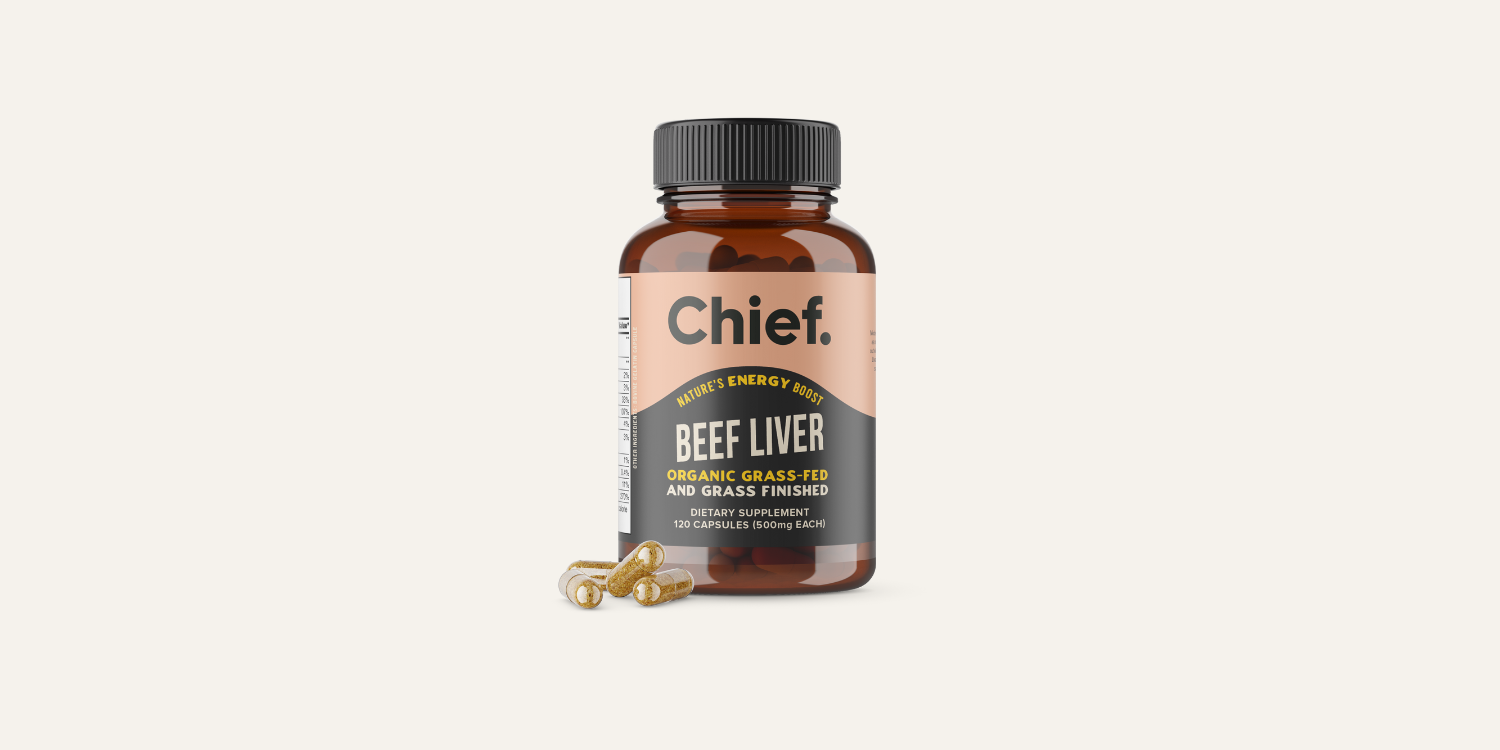

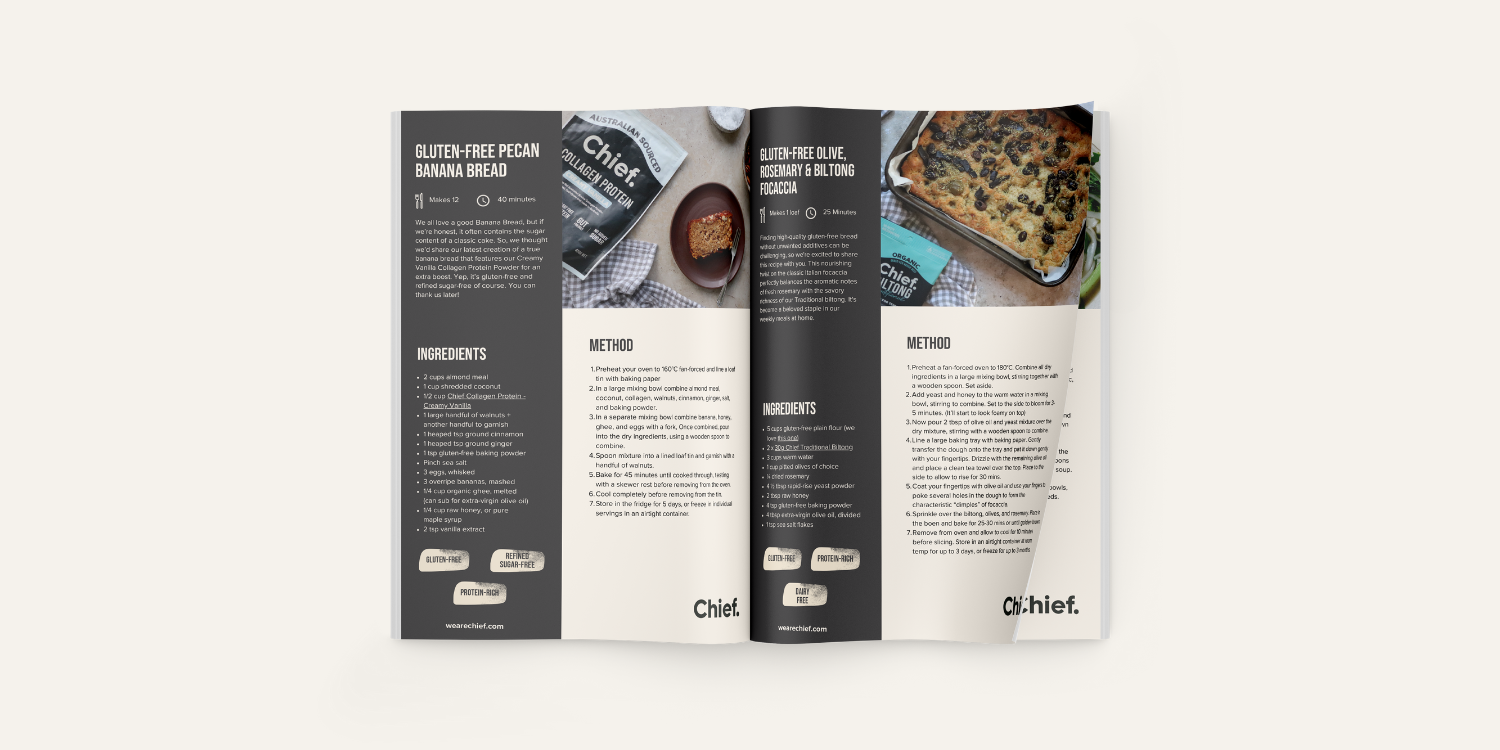
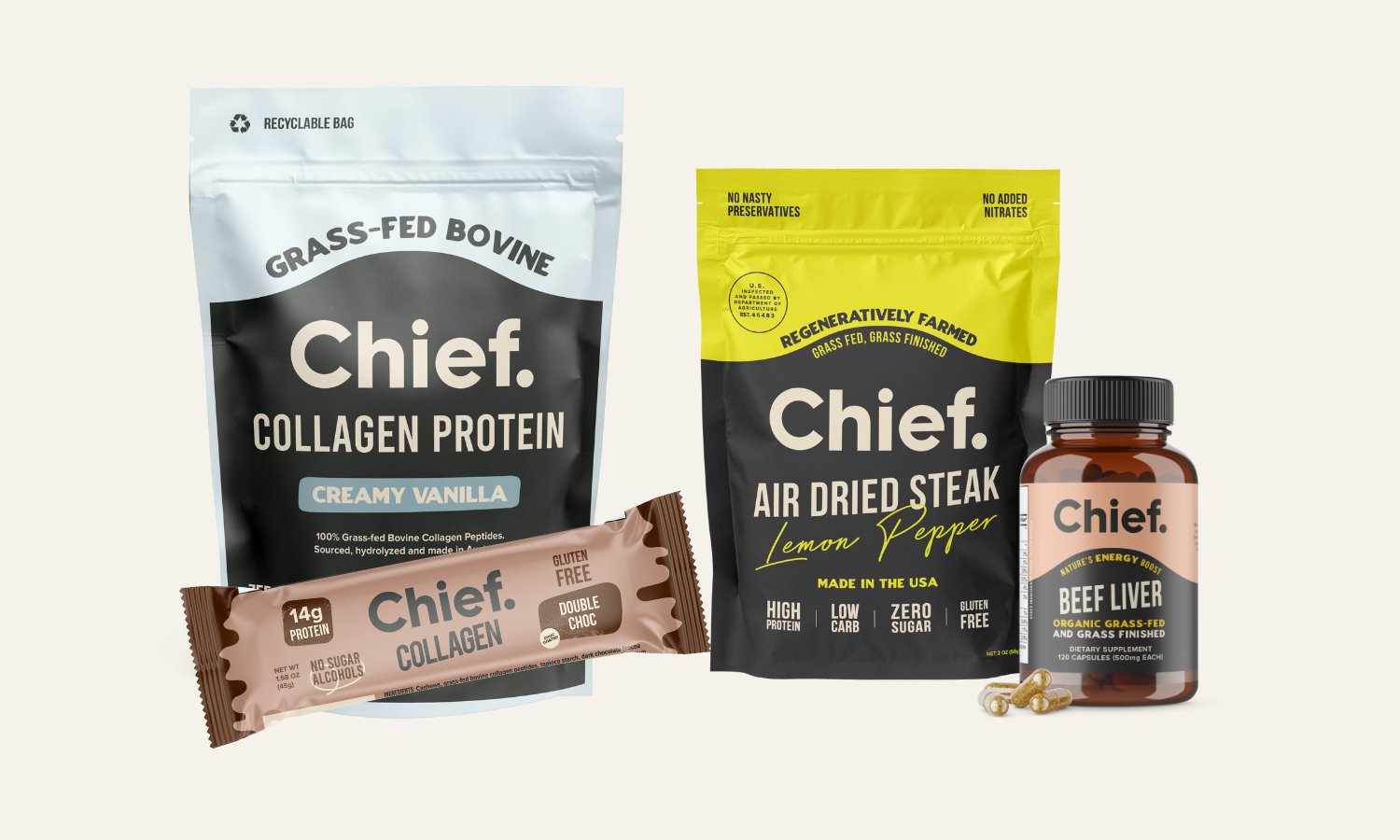

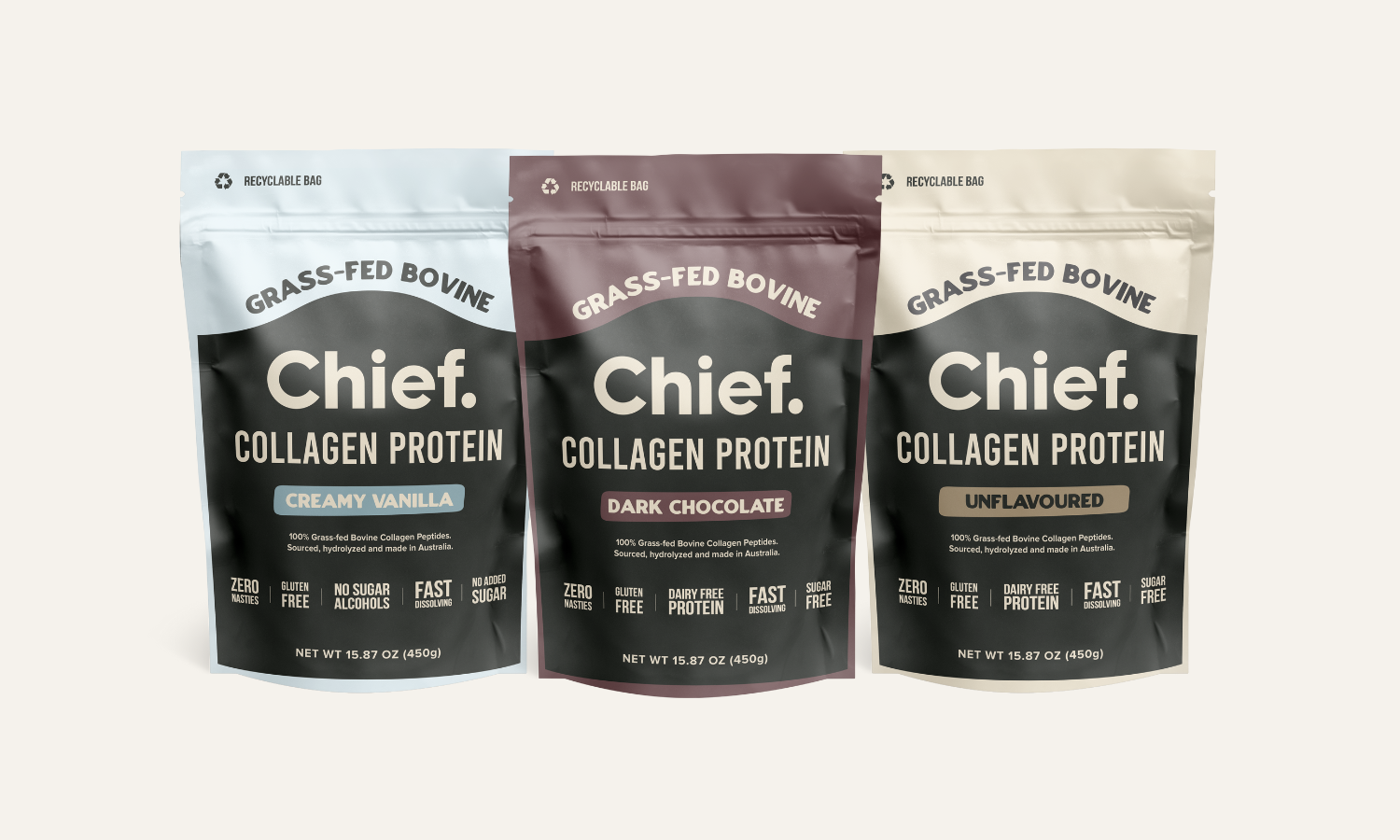


Same calories. Same macros. Different effects on your metabolism and brain. New research is changing how we think about ultra-processed food.
We knew this long before it made headlines. When we started Chief, we believed real food matters, and that what we eat affects far more than our waistlines. We were concerned about how much ultra-processed food had taken over the grocery aisle, and what that could mean for our physical and mental health. We didn't accept that convenience had to come at the expense of nutrition. So we started Chief to make convenient, nutritious food with real ingredients and no unnecessary additives. Now the science is catching up, and the findings are getting harder to ignore.
The way America eats has changed dramatically. Ultra-processed foods (UPFs) are everywhere, including products marketed as healthy, high-protein or nutritious. Today, about 55% of calories consumed in the United States come from ultra-processed foods, compared with about 42% in Australia.
Higher UPF consumption has consistently been linked to poorer health outcomes, including cardiovascular disease, obesity, type 2 diabetes, certain cancers, depression and anxiety. But researchers are now uncovering something even more interesting. Processing may change how our bodies absorb and metabolize nutrients, and how our brains respond to food.
Even when foods have similar ingredients and nutrition profiles, differences in processing can change their physical structure, how available their nutrients are, and how the body responds. A new study shows exactly that.
New 2026 study: ultra-processed foods change how your body and brain respond
A study published in Nature Metabolism in October 2026 looked at what happened when 57 healthy adults ate ultra-processed versus minimally processed meals. The meals were carefully matched for calories, protein, carbs, fat and several other nutritional characteristics.
The result? Despite near-identical nutrition profiles, the meals triggered significantly different metabolic and brain responses.
In comparison to minimally processed meals, ultra-processed meals:
- Triggered significantly higher insulin responses, despite similar overall blood glucose exposure.
- Kept blood glucose elevated for longer, although total glucose exposure was similar.
- Increased post-meal energy expenditure, meaning the body burned more energy in the period after eating.
- Changed fuel metabolism, with less carbohydrate oxidation and more fat oxidation.
- Produced different responses in brain regions involved in motivation, reward and how we value food.
The brain findings stand out most. Researchers saw changes in how the brain responded to food cues, including activity in the striatum, a region involved in reward and motivation. In other words, two meals can look almost identical on a Nutrition Facts label, yet your body and brain may respond to them very differently.
It's important to note that this was a short-term study. It showed different physiological responses. It did not show that a single ultra-processed meal causes brain damage or metabolic disease. The findings on higher energy expenditure and fat oxidation are not harmful in themselves.
But it raises a bigger question. If processing changes how your body and brain respond to one meal, what could years of relying on ultra-processed food mean for your health?
This isn't the first study to raise concerns about ultra-processed foods. The evidence has been building for years.
Research links ultra-processed foods to cognitive decline and dementia
Large-scale observational research from 2026 has associated higher ultra-processed food consumption with greater risk of cognitive impairment and dementia. These findings don't establish cause and effect, but they add to growing concerns about diet and long-term brain health.
Minimally processed foods produced almost twice the percentage weight loss
A randomized trial published in Nature Medicine in 2025 found that participants lost 2.06% of their body weight on a minimally processed diet, compared with 1.05% on an ultra-processed diet over eight weeks. Both diets followed healthy eating guidelines.
Research involving nearly 10 million people revealed a concerning pattern
A major review published in The BMJ in 2024 linked higher ultra-processed food consumption with increased risk of cardiovascular disease, type 2 diabetes, mental health disorders and premature death. Observational studies can't prove cause and effect, but these findings add weight to concerns about diets dominated by UPFs.
Ultra-processed diets led people to eat about 500 extra calories a day
In a 2019 controlled trial run by the National Institutes of Health (NIH), participants ate about 500 more calories a day on an ultra-processed diet, without being told to, and gained about 2 pounds (0.9 kg) in just two weeks. On the unprocessed diet, they lost about 2 pounds (0.9 kg).
Why this matters, and why we started Chief
Not all processing is bad. Cooking, freezing, fermenting and drying are all forms of processing, and some can improve food safety and make nutrients easier to absorb. The concern is how much we now rely on industrially formulated ultra-processed foods, especially those with poor nutritional quality.
At Chief, we've always believed food should be judged by more than its calorie count or protein content. Ingredients matter. Food quality matters. And more and more, the science shows that how food is processed matters too. We started Chief because we believed convenient food could be better: made with real ingredients, thoughtfully formulated, and made to feed you properly, not just fill a gap on the shelf.
We're glad to see awareness growing and research revealing more about the link between ultra-processed foods, metabolic health and the brain.
Real food. Real ingredients. Backed by science.
