





Walk into any grocery store, gas station or gym in America and you'll find an entire aisle of protein bars.
The problem is that "high protein" doesn't automatically mean healthy.
Plenty of bars hit a big protein number on the front of the wrapper, but get there with protein isolates, modified fibers, sugar alcohols, artificial sweeteners, humectants and flavor systems. Others use simple whole-food ingredients, but come with far less protein or a lot more sugar.
So how do you pick the best protein bar in the US?
It depends on what matters most to you: protein, ingredients, sugar, fiber, taste and how it sits in your stomach — or some combination of all of them.
A bar can look excellent on the Nutrition Facts panel while relying on isolates, allulose, maltitol, sucralose and modified fats to get there. Our preference is simple. Get the nutrition you want from the least processed, most recognizable ingredients possible.
Summary
| Bar | Protein style | Pros | Cons |
|---|---|---|---|
| Chief Collagen Protein Bar | Grass-fed bovine collagen | Ten real-food ingredients, 16g protein, 2g total sugar, 4g fiber. No sugar alcohols, no artificial sweeteners, no isolates | Collagen isn't a complete protein on its own, though the cashews and hazelnuts supply tryptophan. A smaller 45g bar, so fewer total grams of protein than Quest or David |
| David Protein | Milk protein isolate, collagen, whey, egg white | 28g protein in a 150-calorie bar. The best protein-to-calorie ratio here by a wide margin | That ratio is engineered, not grown. Maltitol, allulose, soluble corn fiber, sucralose, acesulfame potassium and a modified plant fat (EPG) |
| Quest Nutrition | Milk protein isolate + whey isolate | 21g protein, 12g fiber, 1g sugar. Excellent macros | Highly formulated. Polydextrose, erythritol, glycerin, stevia and sucralose rather than recognizable food |
| Barebells | Milk protein blend + collagen + soy isolate | 20g protein, 1g sugar, and it tastes like a candy bar | Maltitol and glycerin do the heavy lifting, plus sucralose. Carries a laxative-effect warning |
| RXBAR | Egg white | The shortest ingredient list in the category, printed on the wrapper. 0g added sugar | 12g protein and 14g total sugar from dates. Real food, but still a real sugar load |
| Clif Builders | Soy protein isolate | 20g plant protein, widely available, organic ingredients | 17g sugar, all of it added. More sugar than most candy bars of the same size |
| Pure Protein | Whey + milk isolate + collagen + soy isolate | 20g protein, 2g sugar, cheap and available almost everywhere | Maltitol, maltitol syrup, glycerine and sucralose. Only 1g fiber |
| ALOHA Organic | Brown rice + pumpkin seed protein | Organic, vegan, 10g fiber, only 5g sugar. No erythritol | 14g protein from plant sources, and tapioca fiber and tapioca syrup sit high on the list |
| GoMacro MacroBar | Sprouted brown rice + pea protein | Six organic ingredients. No isolates, no sugar alcohols, no sweetener system | 11g protein, 2g fiber, and organic brown rice syrup is the first ingredient |
| ONE Bar | Milk protein isolate + whey isolate | 20g protein, 1g sugar, dessert flavors people actually look forward to | Maltitol, IMO fiber, polydextrose, glycerin and sucralose. A long, highly engineered list |
| Power Crunch | Hydrolyzed whey peptides + isolates | A light, crispy wafer instead of dense fudge. No sugar alcohols | Only 13g protein and 1g fiber in a small bar, and it's built on enriched wheat flour |
What makes a good protein bar?
1. Enough protein to actually make a difference
Start with the obvious question: how much protein are you actually getting?
US protein bars range from around 10g to nearly 30g per bar. More isn't automatically better. A 28g bar makes sense after a hard training session. It may be overkill if you just want something satisfying at 3pm.
It's also worth checking the size of the bar before you judge the number. A 20g bar that weighs 68g and a 16g bar that weighs 45g are closer than they look.
The number only means something alongside the ingredients, fiber, sugar and overall quality of what you're eating.
2. Look past the macros and read the ingredients
This is the big one.
A protein bar can post excellent macros and still be an ultra-processed food.
Turn the wrapper over and read what it's actually made from.
We prefer ingredients you'd recognize as food — nuts, cacao, coconut, collagen — over bars built on isolated proteins, modified fibers, artificial flavors and multi-part sweetener systems.
That doesn't make every processed bar bad, and an ingredient isn't harmful just because it has a technical name. But when two bars deliver useful protein and one does it with real food while the other needs a page of isolates, sweeteners, humectants and emulsifiers, we'll take the real food.
3. Watch the sweeteners
Bar manufacturers have a hard job: make something taste like a candy bar while keeping the sugar number near zero.
The usual solution is sugar alcohols — erythritol, maltitol, sorbitol and glycerin — often stacked with sucralose, acesulfame potassium, stevia or monk fruit.
They do cut the sugar number dramatically. But some people find sugar alcohols cause bloating, gas or general digestive discomfort, particularly in larger amounts. Maltitol in particular is why several bars in this comparison carry a laxative-effect warning on the box.
If protein bars regularly upset your stomach, the sweetener system is the first place to look.
And don't assume "0g sugar" means healthier by default. Some bars swap sugar for a stack of sugar alcohols and added fibers. Others use dates and end up surprisingly high in total sugar anyway. Read the whole panel and the whole ingredient list.
4. Don't forget fiber
Protein gets the attention, but fiber is worth just as much of your attention.
A bar with real protein and real fiber is a far more satisfying snack than one built almost entirely around isolated protein.
Just check where the fiber comes from. Fiber from nuts, cacao and acacia is a different proposition to fiber from polydextrose, soluble corn fiber or isomaltooligosaccharides.
5. It still has to taste good
There's no point buying the nutritionally perfect protein bar if it lives permanently at the bottom of your gym bag.
Texture is the hardest part of a high-protein bar. They range from soft and fudgy to crispy, chewy or plain tough.
The good news is that the US market now has enough variety that you shouldn't have to choose between nutrition and something you'll actually look forward to eating.
Our pick of the best protein bars in the US
There's no single perfect protein bar for everybody, so we've looked at the leading US options based on the strengths and trade-offs of each.
Our bias is deliberate. We favor bars made primarily from real, recognizable ingredients over products engineered around isolates, sweeteners and additives. That doesn't mean every highly formulated bar is unhealthy. It means we don't think good macros should be the only test of good food.
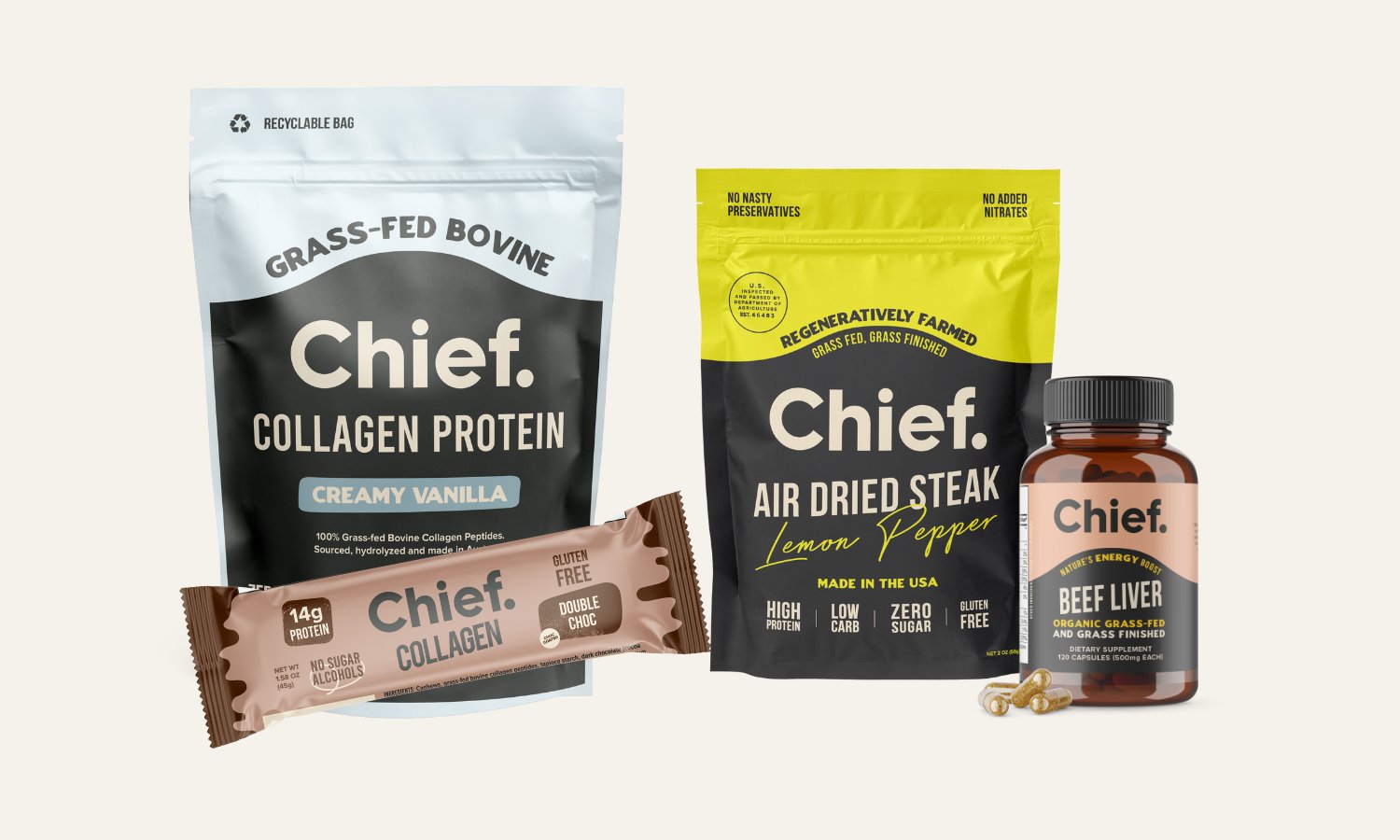
Chief Collagen Protein Bar
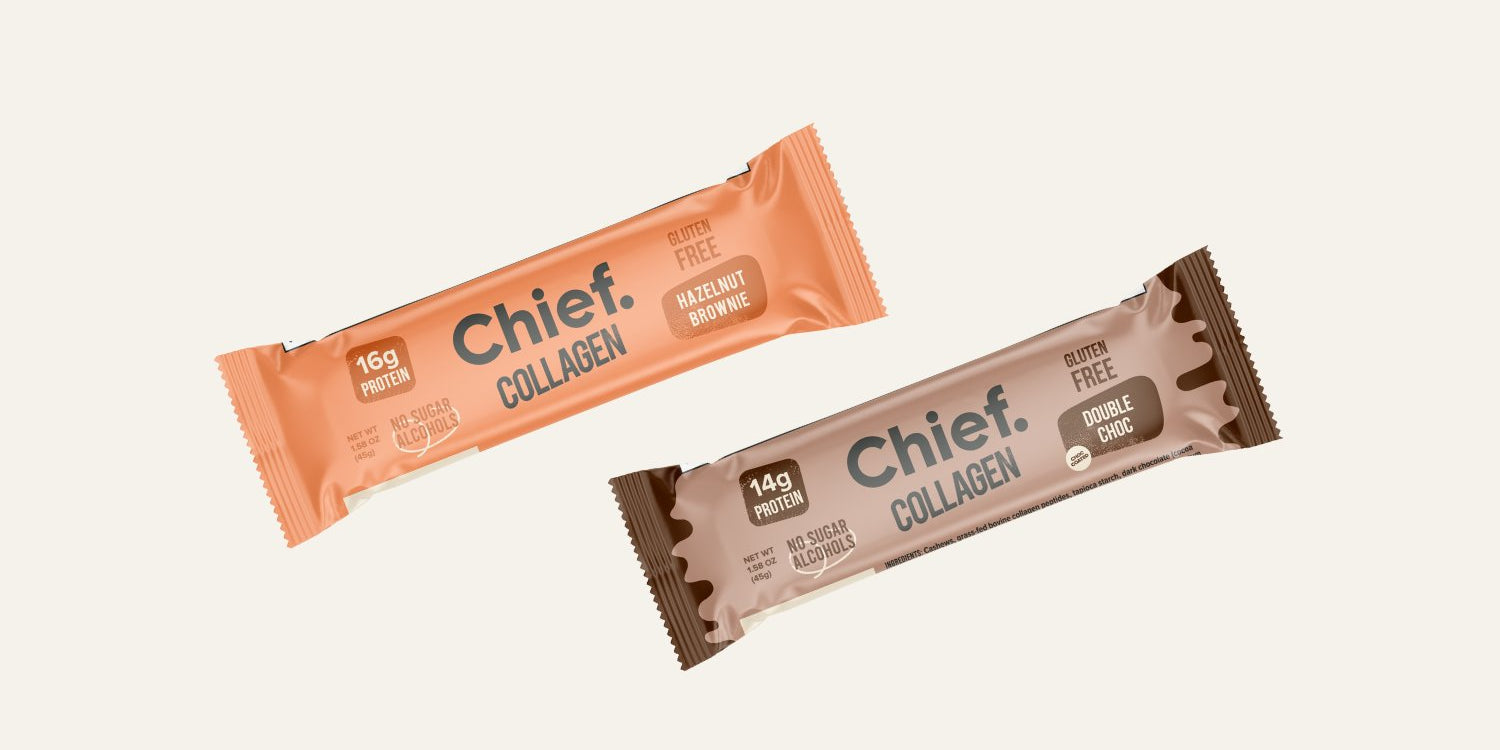
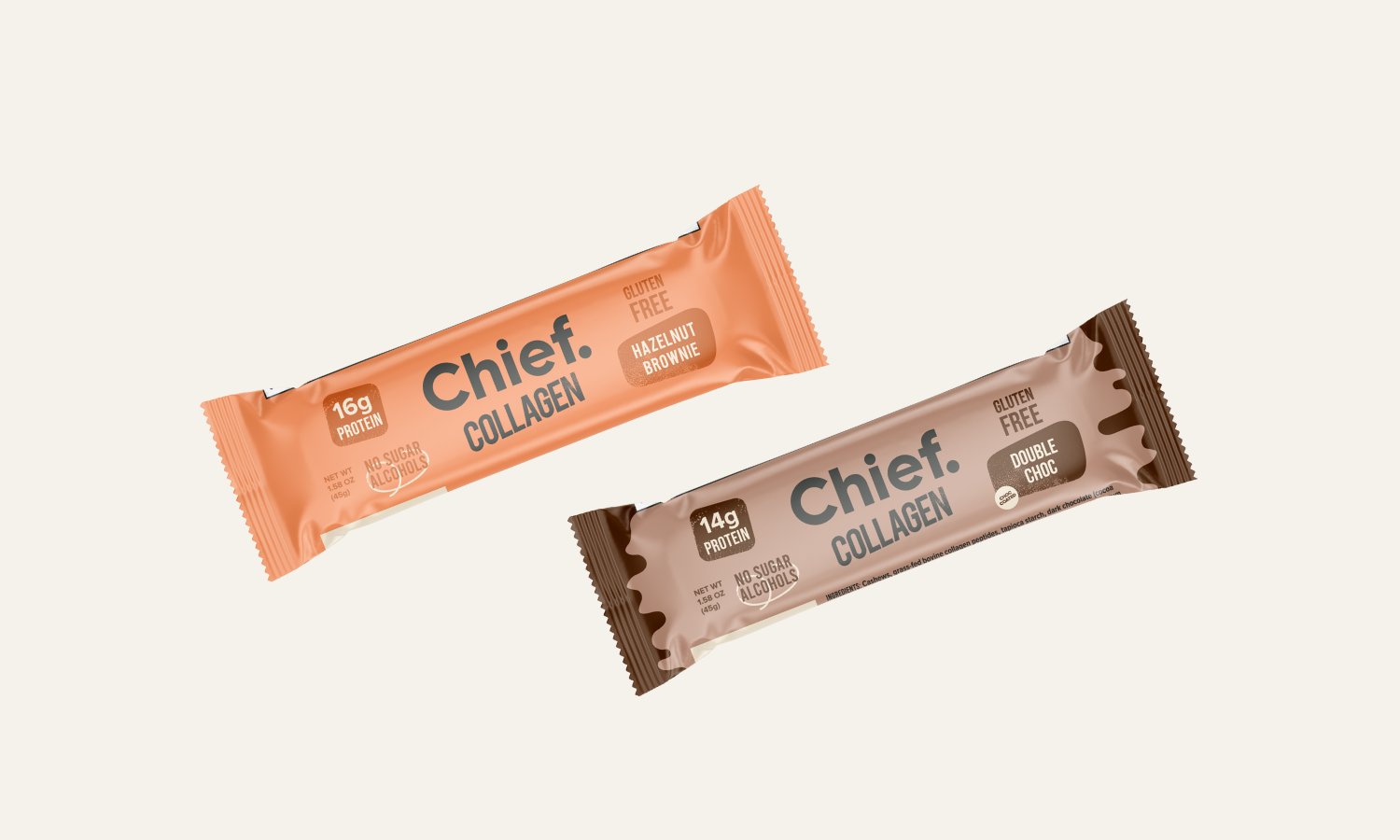
Pros: Ten real-food ingredients, 16g protein, 2g total sugar and 4g fiber, with no sugar alcohols, no artificial sweeteners and no protein isolates. Our pick for the best balance of nutrition and ingredient quality.
Cons: Collagen isn't a complete protein on its own because it lacks tryptophan, although the cashews and hazelnuts in the bar supply it. It's also a smaller 45g bar, so fewer total grams of protein than Quest or David.
Here is the entire ingredient list for the Hazelnut Brownie bar: nuts (cashews and hazelnuts), grass-fed bovine collagen peptides, tapioca starch, raw organic cacao, organic maple syrup, MCT powder, camu camu powder, Himalayan salt, vanilla bean powder and monk fruit powder.
Ten ingredients. You could buy most of them in a grocery store.
That bar is 45g with 200 calories, 16g protein, 4g fiber, 2g of total sugar and 1g of added sugar, which is the maple syrup. No maltitol. No erythritol. No sucralose. No soluble corn fiber. No protein isolates.
The protein number is smaller than Quest's 21g or David's 28g, and we're not going to pretend otherwise. But check the size of the bar before you judge it. 16g of protein in a 45g bar is about 36% protein by weight, which is the same density as Quest at 35% and Barebells at 36%. It's a smaller bar, not a weaker one.
The comparison that matters more to us is this one. RXBAR gets to a genuinely short ingredient list, but carries 14g of sugar. Quest gets down to 1g of sugar, but needs polydextrose, erythritol, glycerin, stevia and sucralose to do it.
Chief is the only bar in this comparison that does both: a whole-food ingredient list and 2g of sugar, with nothing engineered in between. ALOHA comes closest, and it's a good bar, but tapioca syrup and tapioca fiber are still doing a lot of the work.
The idea behind the bars is a little different, too. We didn't set out to make the bar with the biggest protein number on the front of the wrapper. We wanted to make a snack good enough to replace the candy bar you'd otherwise reach for, that also happens to give you real protein, real fiber and good fats.
Nine flavors, including Double Choc, Hazelnut Brownie, Salted Caramel, Choc Mint, Lemon Tart and Cashew Shortbread.
Figures above are for the Hazelnut Brownie bar. Nutrition varies slightly by flavor.
Shop Chief Collagen Protein Bars →
David Protein
Pros: 28g of protein in 150 calories. Nothing else in this comparison is close.
Cons: The ratio comes from food engineering rather than food. Maltitol, allulose, soluble corn fiber, sucralose, acesulfame potassium and a modified plant fat.
David has grown quickly, and the reason is easy to see on the panel. The 62g bar delivers 28g of protein for 150 calories and 0g of sugar — roughly 75% of its calories from protein, which is an impressive piece of product development.
The way it gets there is worth understanding. David is open about this on its own site: the bar uses allulose at around 0.4 calories per gram, maltitol at around 2.7, and EPG, a modified plant fat, at around 0.7 calories per gram instead of the usual nine. The protein comes from milk protein isolate, collagen, whey concentrate and egg white, and the flavor system includes sucralose and acesulfame potassium.
Credit where it's due: if your single goal is maximum protein for minimum calories, David does that better than anyone. It's just a very different philosophy to ours. Every one of those clever ingredients is there because a real food couldn't hit the target. We'd rather start with the food.
Quest Nutrition
Pros: 21g protein, 12g fiber and 1g sugar. Outstanding macros.
Cons: Highly engineered. Built on isolated dairy protein, added fiber and a four-part sweetener system.
Quest is the bar that defined the modern macro-focused category, and it's still very good at what it does. The Chocolate Chip Cookie Dough bar gives you 21g protein, 12g fiber and 1g sugar in a 60g bar at 190 calories, with a huge range of dessert flavors behind it.
Look at the ingredients, though, and you can see exactly how those numbers happen: milk protein isolate and whey protein isolate, polydextrose for the fiber, then erythritol, glycerin, stevia and sucralose to make it taste like cookie dough.
The fiber number is a good example of why the source matters. 12g is a lot of fiber, but it's polydextrose, a manufactured fiber, not fiber that came with the food.
If macros are your only test, Quest performs. If you want food made from ingredients you'd recognize in your own kitchen, it isn't really trying to be that.
Barebells
Pros: 20g protein and 1g sugar in something that eats like a candy bar.
Cons: Maltitol, glycerin and sucralose do the work, and the box carries a laxative warning.
Barebells has been one of the fastest-growing bars in the US, and the reason is taste and texture. The Cookies & Cream bar is soft, sweet and much closer to a real chocolate bar than most protein bars manage, at 200 calories with 20g protein, 1g sugar and 3g fiber.
The trade-off is in how that's achieved. After the milk protein blend, the next two ingredients are glycerin and maltitol, followed by collagen, polydextrose and soy protein isolate, finishing with sucralose. The Peanut Butter version carries 9g of sugar alcohols.
If you've ever had a protein bar leave you bloated, this is the formulation style to be careful with. Barebells is a very good candy bar substitute. It is not a whole-food snack.
RXBAR
Pros: The shortest, clearest ingredient list in the category. 0g added sugar.
Cons: 12g protein and 14g total sugar. Real food, but a real sugar load.
RXBAR built its whole brand on printing the ingredients on the front of the wrapper, and it's still one of the most honest labels in the aisle. Chocolate Sea Salt is dates, egg whites, cashews, almonds, chocolate, cocoa, natural flavors and sea salt. That's the entire list.
The result is a 52g bar with 200 calories, 12g protein, 5g fiber and no added sugar at all.
We rate the philosophy highly, and RXBAR is one of the closest comparisons to Chief on ingredient thinking. Our reservation is the same one we'd raise about any date-based bar: 14g of sugar is still 14g of sugar, and 12g of protein is modest for something bought as a protein bar.
Clif Builders
Pros: 20g of plant protein, organic ingredients, easy to find.
Cons: 17g of sugar, every gram of it added.
Clif Builders is one of the most widely stocked protein bars in America and a long-standing post-workout habit for a lot of people. The chocolate bar is a substantial 68g with 20g of soy protein.
The sugar is the problem. At 280 calories with 17g of sugar — all of it added, from cane syrup, cane sugar and brown rice syrup — this sits closer to a candy bar than most people realize. There's also only 3g of fiber.
It's organic, it's plant based, and 20g of protein is 20g of protein. But if you're eating one most days, the sugar adds up faster than the protein does.
Pure Protein
Pros: 20g protein, 2g sugar, and about as cheap and available as protein bars get.
Cons: One of the most heavily formulated lists here, and only 1g of fiber.
Pure Protein is the bar you can find in almost any grocery store, drugstore or gas station in the country, usually for a couple of dollars. The Chocolate Peanut Butter bar is 50g with 200 calories, 20g protein and 2g sugar.
The ingredient list explains the price and the macros. After the whey and milk isolate blend and hydrolyzed collagen come glycerine, maltitol syrup, soy protein isolate and later maltitol again and sucralose, with 6g of sugar alcohols declared.
For convenience and cost, it does the job. For an everyday snack made of food, it's a long way from where we'd start.
ALOHA Organic
Pros: Organic, vegan, 10g fiber, 5g sugar, and no erythritol anywhere in the range.
Cons: 14g of plant protein, and tapioca fiber and tapioca syrup sit near the top of the list.
ALOHA is the strongest option here for anyone eating plant based, and the closest thing in this comparison to what we're trying to do. The Chocolate Chip Cookie Dough bar is 56g with 240 calories, 14g protein, 10g fiber and 5g sugar, built on organic brown rice and pumpkin seed protein with sunflower seed butter.
ALOHA also states plainly that it doesn't use erythritol or stevia anywhere in its range, which we appreciate. That's a harder commitment to keep than it sounds.
Our one caveat is that tapioca fiber and tapioca syrup do a lot of the structural work, which is a more refined approach than the front of the pack suggests. Still, among plant-based bars this is one of the better ingredient lists you'll find.
GoMacro MacroBar
Pros: Six organic ingredients. No isolates, no sugar alcohols, no sweetener system at all.
Cons: 11g protein and 2g fiber, and organic brown rice syrup is the first ingredient.
On ingredient simplicity, GoMacro is close to the top of this list. The Peanut Butter Chocolate Chip MacroBar is organic brown rice syrup, organic peanut butter, an organic sprouted brown rice and pea protein blend, organic puffed brown rice, organic chocolate chips and organic peanuts. That's it.
It's also the sugar you should know about. Brown rice syrup leading the list means the sweetness is real sugar, and the bar is 290 calories with 11g protein and 2g fiber.
We like GoMacro's approach a great deal. It's just closer to a very good organic snack bar than to a protein bar.
Note: GoMacro's own site currently lists 8g total sugars for this bar, while the USDA branded database shows 14g for the same product. Worth checking the label on shelf.
ONE Bar
Pros: 20g protein, 1g sugar, and the widest range of dessert-like flavors in the category.
Cons: Maltitol, IMO fiber, polydextrose, glycerin and sucralose in a long, engineered list.
ONE Bar has built a loyal following on flavor. Birthday Cake, Maple Glazed Doughnut, Peanut Butter Pie — these taste like the thing they're named after, which is not a small achievement at 1g of sugar.
The 60g bar carries 220 calories, 20g protein and 3g fiber, with 6g of sugar alcohols. The list runs from milk protein isolate and whey isolate through isomaltooligosaccharides, maltitol, palm kernel oil, glycerin, polydextrose and on to sucralose.
If you want something that tastes like dessert and hits 20g of protein, ONE delivers. It's about as far from a whole-food snack as this comparison gets.
Power Crunch
Pros: A light, crispy wafer instead of a dense block. No sugar alcohols.
Cons: 13g protein, 1g fiber, and it's built on enriched wheat flour.
Power Crunch is the outlier on texture, and that's the appeal. Instead of dense fudge you get a crème-filled wafer, which is a welcome change if protein bar texture is what puts you off.
The Peanut Butter Fudge bar is a small 40g at 200 calories, with 13g protein from hydrolyzed whey peptides and isolates, 5g sugar and 1g fiber. Notably, there are no sugar alcohols — it uses stevia leaf extract instead, which is a point in its favor if maltitol doesn't agree with you.
The catch is what's holding the wafer together: enriched wheat flour, palm oil, palm kernel oil, fructose and maltodextrin. So it's not gluten free, and nutritionally it's a lighter snack than the protein-bar framing suggests.
So, what's the best protein bar in the US?
There isn't one answer for everybody.
If you want maximum protein for minimum calories and you're comfortable with how that's achieved, David does it better than anything else on the market.
If you judge a bar purely on macros, Quest delivers 21g of protein, 12g of fiber and 1g of sugar.
If you want something that eats like a candy bar, Barebells and ONE are the two best at that — as long as sugar alcohols agree with you.
If you want the shortest, most honest ingredient list, RXBAR is hard to beat, provided you're comfortable with 14g of sugar from dates.
If you're plant based, ALOHA has the better macros and GoMacro has the simpler list.
If you want something cheap from any store in America, Pure Protein and Clif Builders are everywhere — though they sit at opposite ends of the compromise. Pure Protein is heavily formulated with almost no fiber. Clif Builders is more natural but carries 17g of added sugar.
And if protein bar texture is what usually puts you off, Power Crunch is worth trying for the wafer alone.
The overall winner?
If you want the best overall balance of real-food ingredients, meaningful protein, low sugar and no sugar alcohols, we'd choose Chief Collagen Protein Bars.
Ten ingredients. 16g of protein. 2g of sugar. Nothing engineered to make those numbers work.
That's because we don't think the goal should be manipulating the macros until a bar looks perfect on the front of the wrapper. How you get to those numbers matters.
A protein bar should still be food.
For us, the best protein bar is one that tastes good enough to replace the junk food you actually crave, gives you real nutrition, and is made from ingredients you recognize and are happy to eat every day.
That's exactly why we created Chief.

