





TL;DR: Anxious after coffee? Try this
-
Coffee on an empty stomach absorbs fast, and that sharp spike is what feels like anxiety.
-
Protein before or with your coffee slows absorption, so you get a steadier lift instead of a hit.
-
You don't need a meal — 10–20g of protein does it. Collagen peptides stir straight into the cup.
-
Water on waking, morning light, and a smaller first cup all help too.
-
Give it a week. Either the jitters settle, or coffee was never the problem.
You finish your morning coffee and instead of sharp, calm focus you get a low hum of anxiety, a heart rate that won't settle, or that familiar jittery edge. It's common. And it shows up most often when coffee is the first thing to hit an empty stomach.
Caffeine absorbs fast. With nothing else in the gut, it can hit peak levels sooner, which makes for a steeper spike in stimulation. For some people that spike lands as unease rather than clean energy. The useful part: one small change usually smooths the ride, and you don't have to give up coffee to get it.
Eat protein first (or with your coffee)
Protein before or alongside your coffee is one of the most practical ways to take the edge off. Protein slows gastric emptying, so caffeine trickles into your bloodstream instead of arriving all at once. For a lot of people, that means a steadier lift and far fewer jitters.
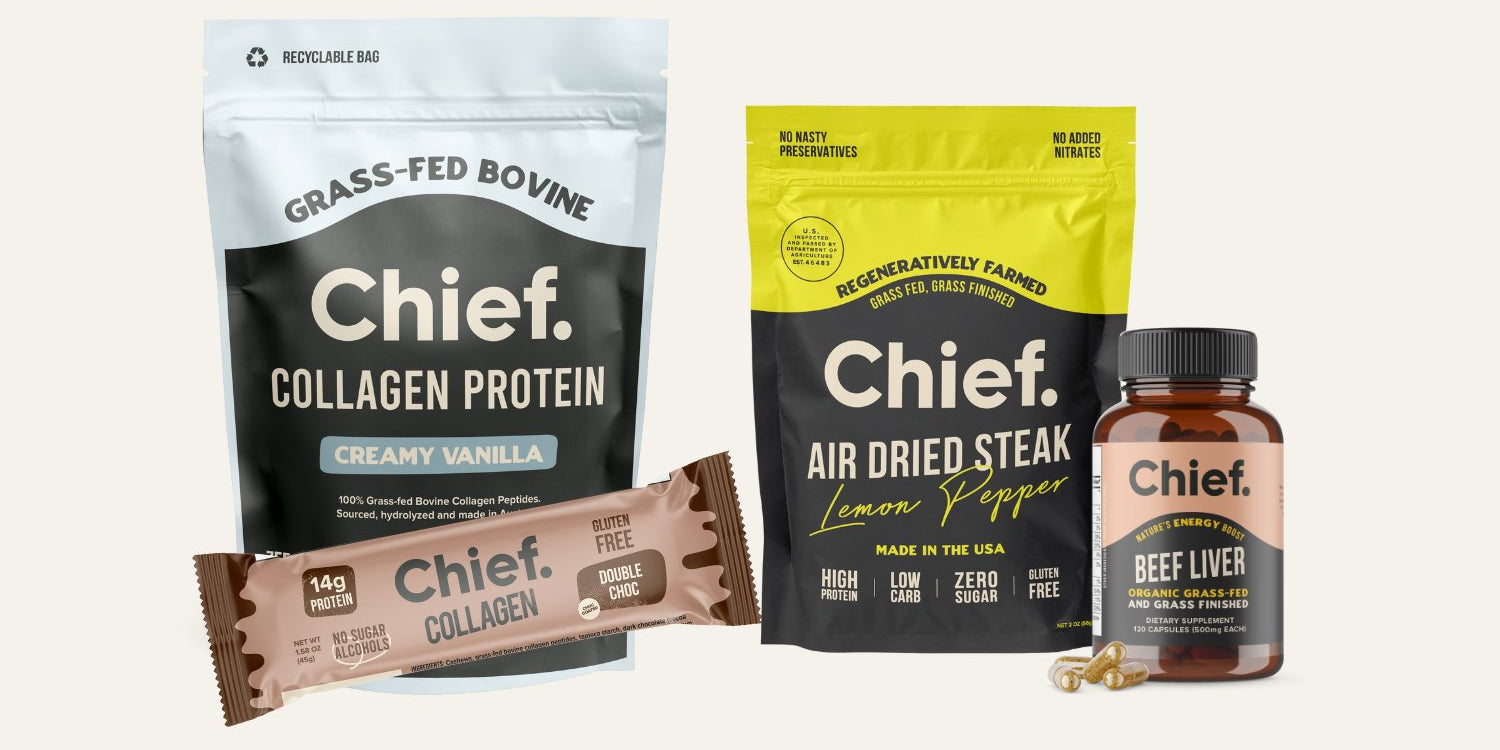
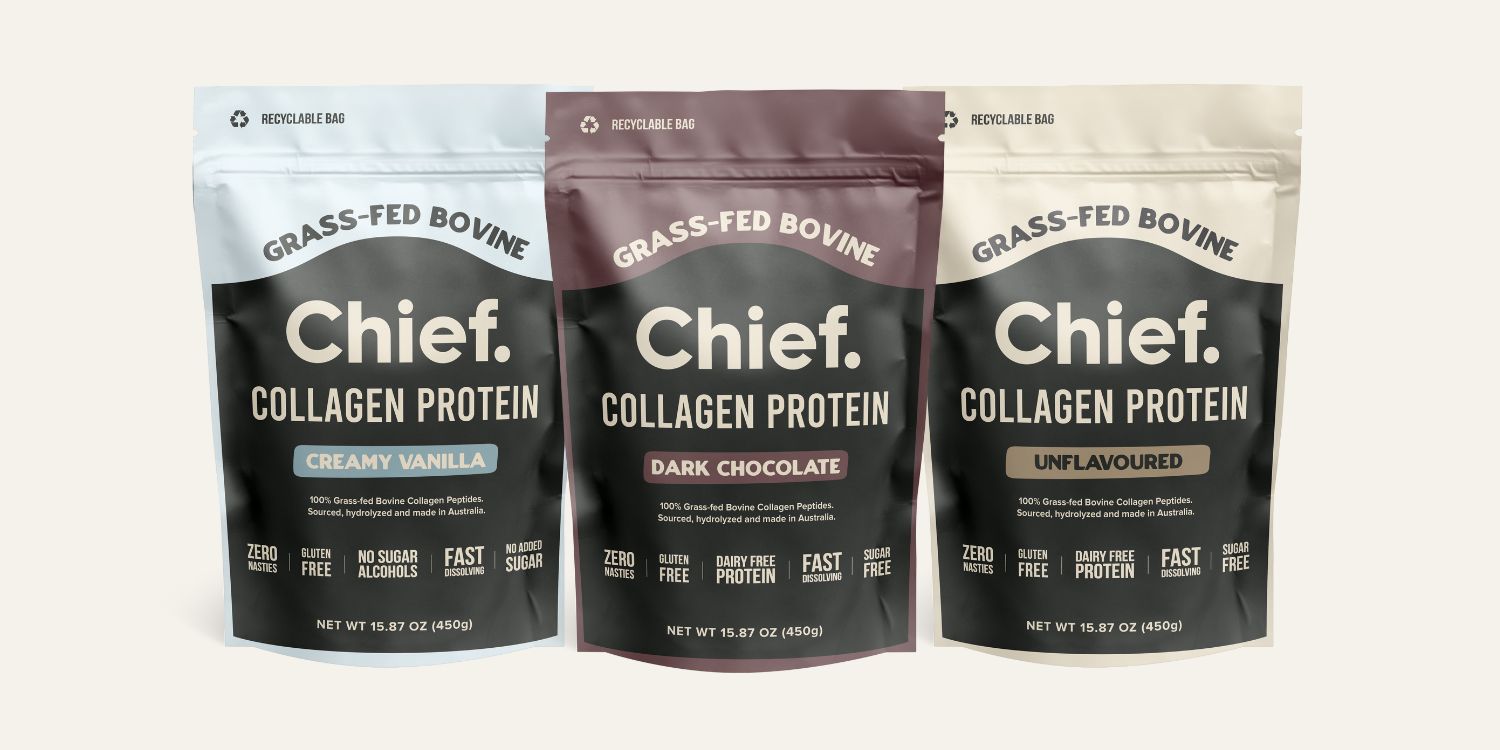
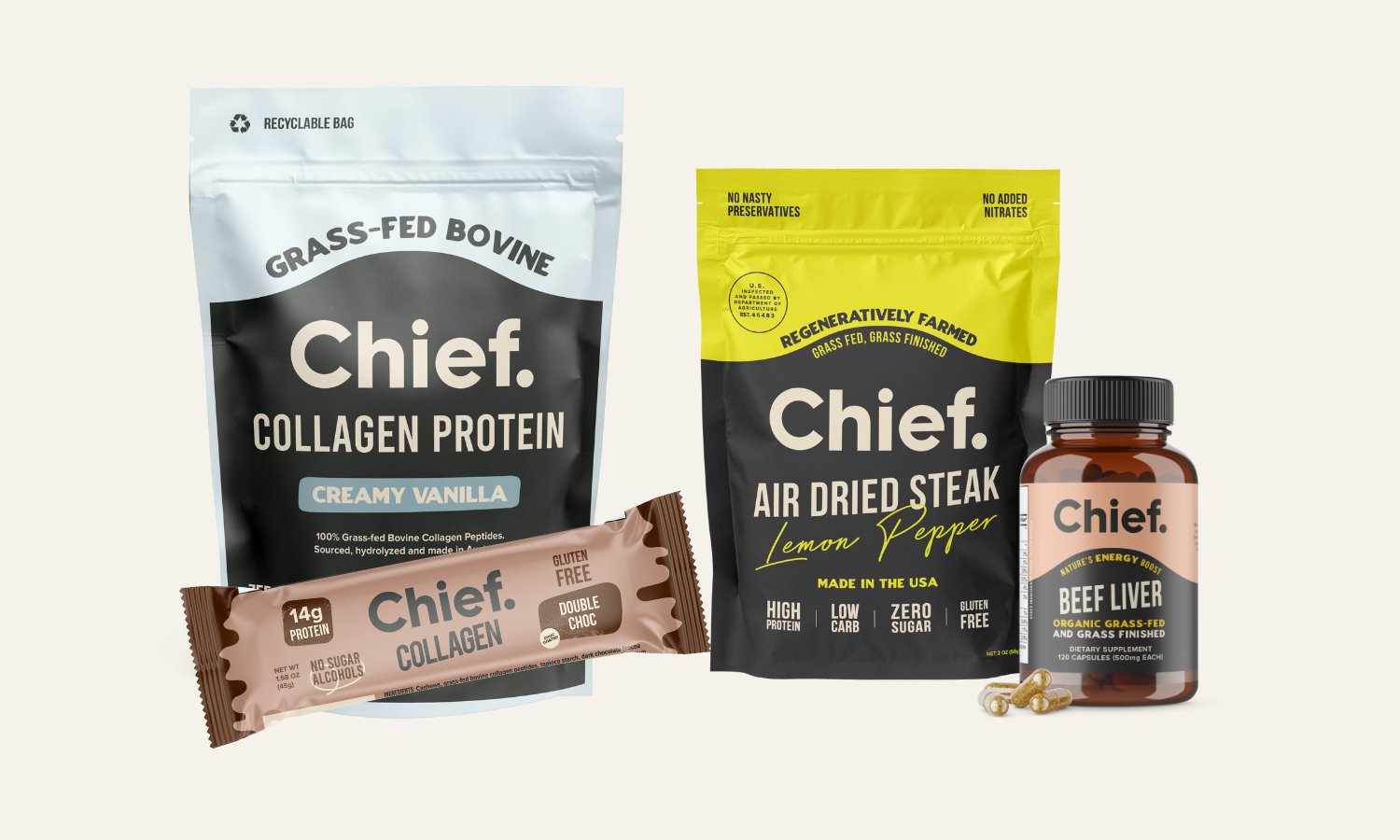
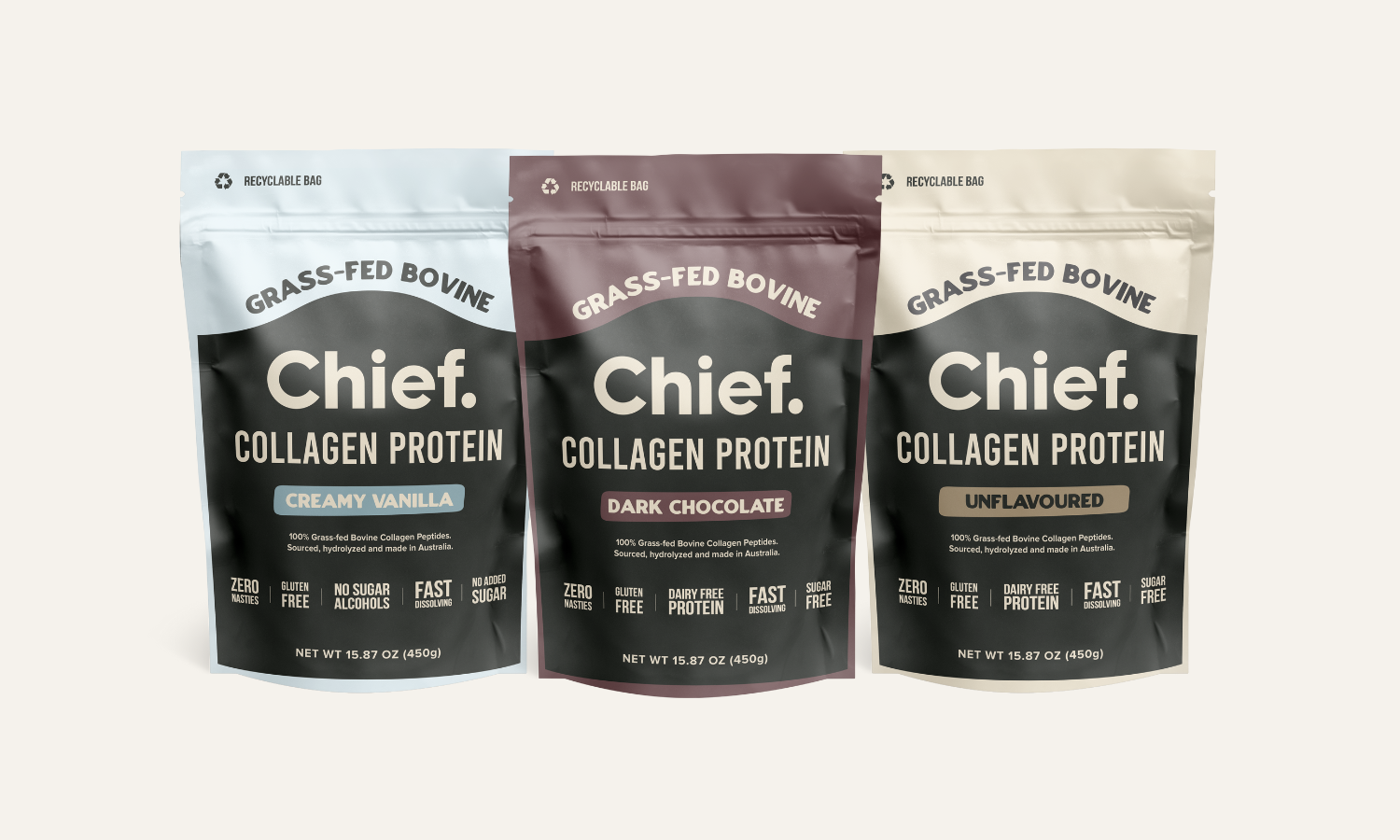
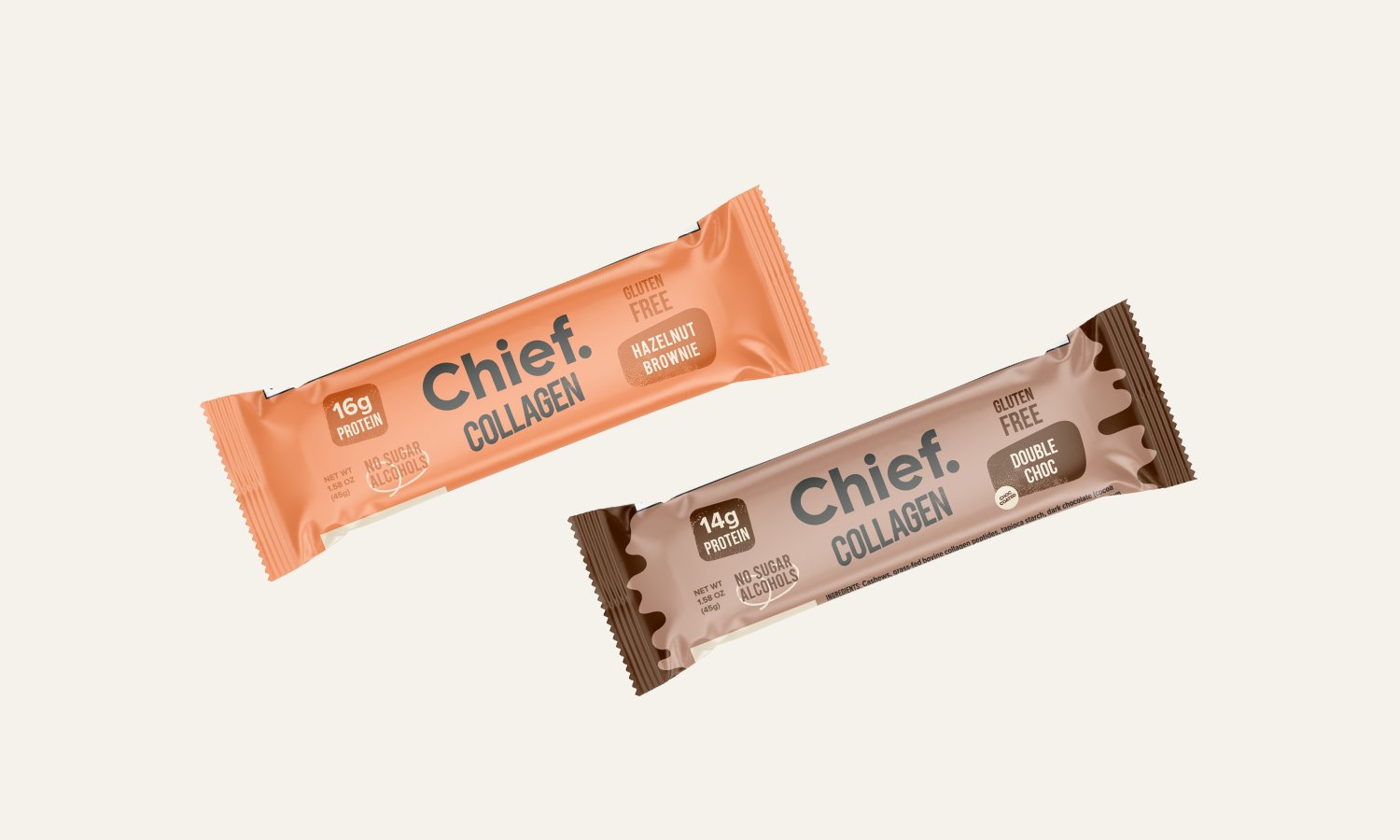
You don't need a full breakfast. A scoop of protein powder stirred straight into the cup, a collagen peptide drink, Greek yogurt, eggs, or a protein-rich snack 15–30 minutes beforehand will usually do it. Collagen peptides dissolve cleanly in hot coffee and add a mild protein buffer without shifting the flavor much. Flavored protein powders work too if you want something creamier — Chief Vanilla Collagen Protein turns a plain black coffee into a foamy latte that holds its own against the café version.
This isn't a miracle fix, but the physiology behind it is solid: food in the stomach, protein especially, moderates how fast caffeine is absorbed. Clinicians and dietitians recommend it regularly for people who find coffee on an empty stomach too intense. It's the same principle that makes a meal blunt the effects of alcohol, just gentler.
Why empty-stomach coffee hits harder
With nothing else in your gut, caffeine moves through faster. Heart rate and alertness climb more sharply. Cortisol, already high in the morning, can get an extra nudge in people who aren't fully habituated to caffeine. For sensitive types, that combination reads as anxiety rather than productive energy.
Adding protein doesn't cancel out what caffeine does for you. It changes the delivery curve, nothing more. You still get the alertness and the focus — you just get them without the sharp spike some people find uncomfortable.
A few extra habits that help
Hydrate first. A glass of water on waking is an easy win, and it heads off the mild dehydration that can amplify caffeine's stimulatory effects.
Get morning light. Natural light helps set your circadian system and makes the shift into wakefulness feel smoother before the coffee even arrives.
Watch the dose. Plenty of people do better with a smaller first cup and a second one later if they want it, rather than one large hit first thing.
Track your own pattern. Some people are fine with coffee alone. Others only feel right when protein is in the mix. Pay attention for a few days — the difference is usually obvious inside a week.
What this is not
This isn't a case for delaying your coffee 90 minutes based on complicated adenosine or cortisol theories that don't have strong evidence behind them. It's also not a claim that protein prevents every afternoon crash. It's a low-effort adjustment that deals with one common reason coffee leaves some people feeling anxious: how quickly it's absorbed on an empty stomach.
If you already eat a breakfast with protein in it, you're probably buffering the effect without realizing. If coffee is your entire morning routine, adding 10–20 grams of protein is a simple experiment worth running. Most people get an answer fast — either the jitters quiet down, or you confirm coffee was never the problem and something else (sleep, stress load, total daily caffeine) needs looking at.
Coffee should feel like a tool that works for you, not a source of low-grade tension. Pairing it with protein is one of the easiest ways to keep the upside and dial down the rest.
